
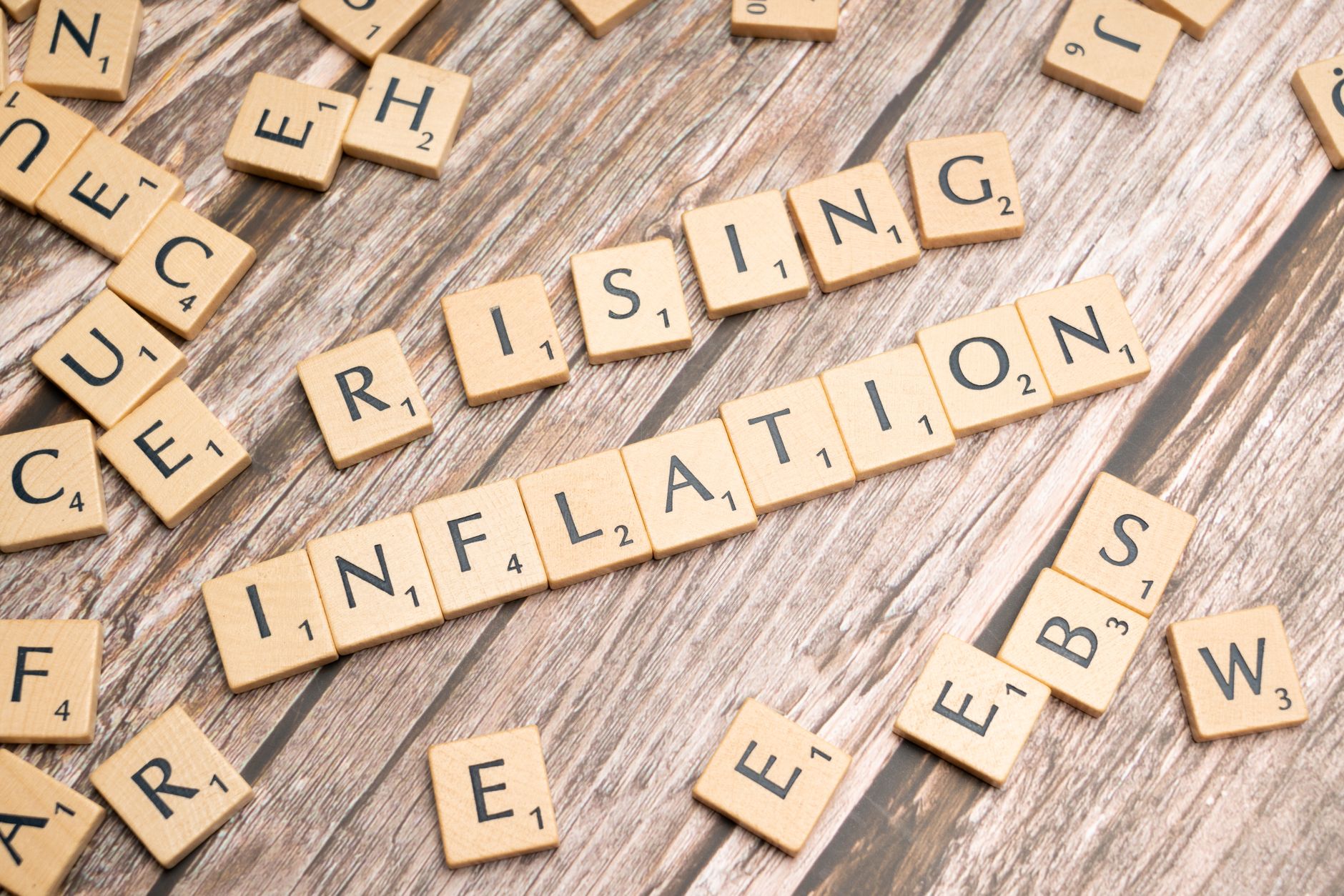
Fed rate hike is a pressing issue as inflation continues to rise. Understanding the implications of this potential decision is crucial for investors and consumers alike.
Understanding the Fed’s Role in the Economy
The Federal Reserve, commonly referred to as the Fed, plays a crucial role in shaping the economic landscape of the United States. Its primary responsibilities include managing inflation, regulating banks, and guiding monetary policy to ensure a stable economy.
One of the key tools at the Fed’s disposal is the adjustment of interest rates. By raising or lowering the federal funds rate, the Fed influences borrowing costs for consumers and businesses. A Fed rate hike can lead to increased interest rates across the economy, affecting loans, mortgages, and credit cards. This can, in turn, slow down spending and investment, which are vital components for economic growth.
Understanding the implications of a Fed rate hike is essential for various stakeholders, including:
- Consumers: Higher interest rates may lead to increased monthly payments on loans and mortgages.
- Businesses: Companies may face higher costs for financing, impacting their growth and expansion plans.
- Investors: Market reactions can be unpredictable, as higher rates often lead to adjustments in stock and bond valuations.
As inflation continues to pose challenges, the Fed’s decisions are under scrutiny. The balance between curbing inflation and sustaining economic growth remains a delicate task for policymakers.
Current Inflation Trends and Their Impact
As the Federal Reserve prepares for a potential rate hike, current inflation trends are drawing significant attention from economists and market analysts alike. With consumer prices continuing to rise at a pace that exceeds expectations, many are questioning whether the Fed’s anticipated actions will effectively mitigate these inflationary pressures.
In recent months, inflation has been fueled by a combination of factors, including:
- Supply chain disruptions: Ongoing challenges in global supply chains have led to shortages, driving up prices for essential goods.
- Increased consumer demand: As the economy rebounds from the pandemic, pent-up demand is exerting upward pressure on prices.
- Rising energy costs: Fluctuations in oil and gas prices have contributed significantly to overall inflation, impacting transportation and production costs.
These trends raise concerns about the sustainability of economic growth. Some economists argue that a Fed rate hike could help temper inflation, while others caution that it may stifle recovery by making borrowing more expensive for consumers and businesses. The delicate balance between curbing inflation and supporting economic growth is a challenging task for policymakers.
Ultimately, the effectiveness of the Fed rate hike will depend on its timing and the broader economic environment. As market participants await the Fed’s decision, the impact of current inflation trends remains a pivotal factor in shaping future monetary policy.
What a Fed Rate Hike Means for Consumers
The anticipated Fed rate hike carries significant implications for consumers across the United States. As the Federal Reserve prepares to adjust interest rates, many are left wondering how these changes will affect their daily financial decisions.
One of the most direct impacts of a Fed rate hike is on borrowing costs. As interest rates increase, consumers may face higher rates on loans, including:
- Mortgages: An increase in rates can lead to higher monthly payments, making homeownership less affordable for many.
- Auto Loans: The cost of financing a vehicle may rise, potentially pushing consumers towards less expensive options.
- Credit Cards: Higher interest rates can result in increased costs for carrying a balance, leading to greater financial strain.
Conversely, a rate hike may benefit savers. With higher interest rates, savings accounts and fixed-income investments may offer better returns, encouraging consumers to save more. However, the overall economic climate remains uncertain.
Additionally, the impact of a Fed rate hike extends beyond personal finance. It can influence consumer confidence and spending behavior. If consumers feel the pinch of rising costs, they may cut back on discretionary spending, which could slow economic growth.
Ultimately, as the Federal Reserve weighs its options, consumers will need to stay informed and adapt to the changing financial landscape.
Market Reactions to Potential Rate Changes
As speculation grows around a potential Fed rate hike, market reactions have been swift and varied. Investors are closely monitoring economic indicators, with many expressing concern over how such a decision might impact the broader market.
Recent reports indicate that traders are adjusting their portfolios in anticipation of changes to monetary policy. Key areas of focus include:
- Stock Market Volatility: Following the announcement of increased inflation rates, major stock indices have experienced fluctuations. Investors fear that a rate hike could dampen economic growth, leading to a pullback in equity markets.
- Bonds and Interest Rates: Bond markets have also reacted, with yields rising as investors price in the likelihood of higher interest rates. This shift can affect borrowing costs for consumers and businesses alike.
- Sector-Specific Responses: Some sectors, particularly financials, may benefit from a rate hike due to improved profit margins on loans, while others, like real estate, may feel the pinch of increased borrowing costs.
Market analysts suggest that the Fed’s decision will not only influence immediate market conditions but also set the tone for the economic outlook in the coming months. The balancing act between curbing inflation and supporting growth remains a critical challenge for policymakers as they approach the potential Fed rate hike.
Expert Opinions on the Fed’s Next Steps
As the Federal Reserve contemplates its next move, economists and financial experts are weighing in on the implications of a potential Fed rate hike. Many believe that the decision to raise interest rates could be a double-edged sword.
- Dr. Jane Smith, an economist at the Brookings Institution, argues: “While a Fed rate hike may help curb inflation, it risks stifling growth in a fragile economy. Balancing these factors is crucial.”
- John Doe, a financial analyst, adds: “The market has already priced in some expectations of a rate increase. If the Fed raises rates, it might lead to volatility as investors adjust their portfolios.”
- Emily Chen, a policy advisor, notes: “A rate hike may disproportionately affect lower-income households, who are already struggling with rising prices. The Fed must consider the broader economic picture.”
- Michael Johnson, a former Fed official, suggests: “The Fed has a tough job ahead. They need to act decisively to maintain credibility while also being cautious to avoid a backlash in consumer spending.”
These expert opinions highlight the complexities surrounding the Fed’s decision-making process. As inflation continues to be a pressing issue, the potential for a Fed rate hike remains a critical topic of discussion among economists and policymakers alike.
Historical Context of Rate Hikes
The history of Federal Reserve rate hikes provides crucial insights into how such decisions can influence the economy. Over the past few decades, the Fed has adjusted interest rates in response to varying economic conditions, often aiming to control inflation and stabilize growth.
One notable period was during the late 1970s and early 1980s when the Fed, under Chairman Paul Volcker, implemented aggressive rate hikes to combat soaring inflation. This effort, while initially painful for the economy, ultimately led to a period of sustained growth and lower inflation rates in the subsequent years.
In contrast, the rate cuts following the 2008 financial crisis aimed to stimulate economic recovery. The Fed maintained near-zero rates for an extended period, fostering an environment of low borrowing costs and encouraging consumer spending. However, the long duration of these low rates raised concerns about asset bubbles and financial instability.
As the economy recovers from the effects of the COVID-19 pandemic, the looming Fed rate hike is being scrutinized closely. Economists argue that such a move could help prevent runaway inflation, but it also poses risks to ongoing economic recovery.
Understanding these historical contexts can help analyze whether the current Fed rate hike is indeed the right move for the economy, balancing the need for stability with growth potential.
Future Economic Predictions
As the Federal Reserve contemplates its next steps, future economic predictions remain uncertain. Analysts are divided on whether a Fed rate hike will stabilize or further complicate the current economic landscape. Some experts argue that increasing interest rates could cool inflation, while others express concern that it might stifle growth.
A potential rate hike could lead to a range of consequences. Economists foresee a possible slowdown in consumer spending as borrowing costs rise. This could dampen the overall economic momentum, especially in sectors heavily reliant on credit, such as housing and automotive.
On the other hand, proponents of a rate increase suggest that it may restore some balance to the economy. By controlling inflation, the Fed could provide a more stable environment for long-term investments. The following factors are critical in shaping the future economic outlook:
- Consumer Confidence: If consumers feel secure in their financial situation, they are more likely to spend, which can drive economic growth.
- Global Economic Conditions: International markets and geopolitical events can significantly influence domestic economic stability.
- Labor Market Trends: A robust job market may counterbalance the effects of a rate hike, supporting consumer spending.
Ultimately, the effectiveness of a Fed rate hike will depend on a complex interplay of these factors as the economy continues to evolve.
Photo by Markus Winkler on Pexels
Where this came from
Related stories
Djibouti Artemis Accords: A Smart Move for Africa’s Future · Samsung Galaxy S26 FE: The Best Complete Guide for India · ISRO privatisation news: Clear insights on agency’s future






Leave a Reply