
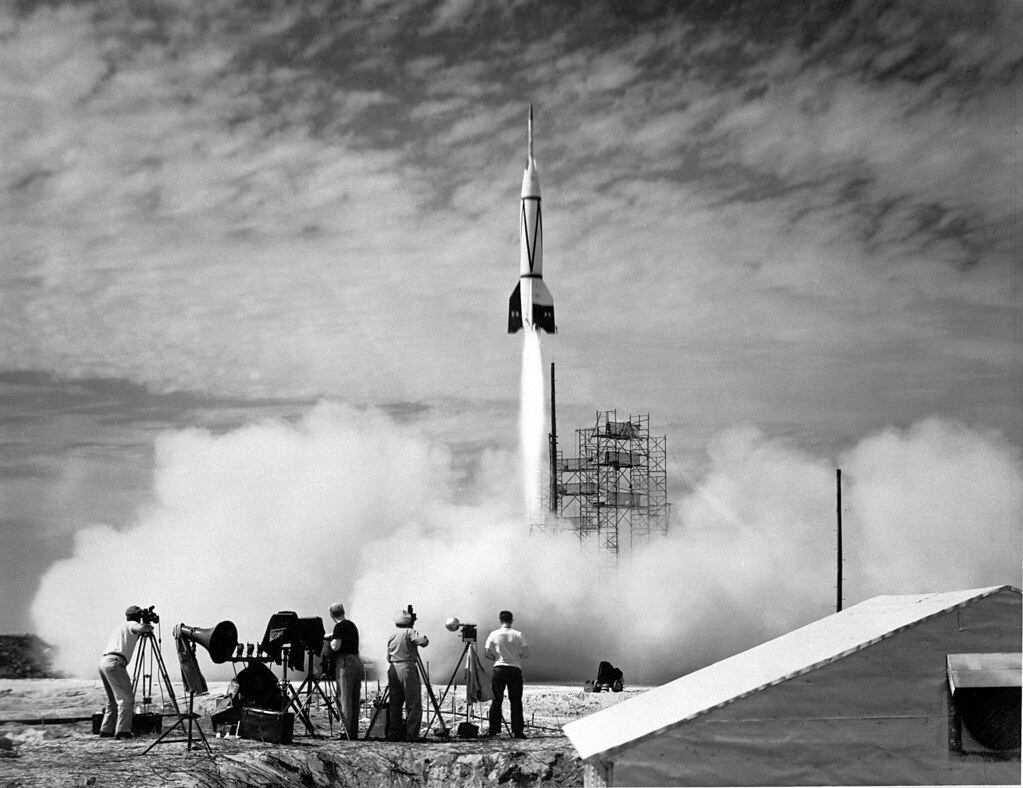
Sputnik launch impact is a significant milestone in space exploration that changed the course of history. On October 4th, 1957, the world witnessed the dawn of the space age.
The Significance of the Sputnik Launch
The launch of Sputnik on October 4, 1957, marked a pivotal moment in the history of space exploration. As the first artificial satellite to orbit the Earth, Sputnik demonstrated the technological capabilities of the Soviet Union and set off a fierce competition in the realm of space science.
The significance of the Sputnik launch extends far beyond its immediate achievement. It:
- Inspired a generation: The successful launch motivated scientists and engineers worldwide to pursue careers in aerospace and related fields.
- Initiated the Space Race: The event heightened tensions between the United States and the Soviet Union, leading to significant investments in space technology.
- Changed public perception: Sputnik’s presence in the sky captured the imagination of people globally, igniting curiosity about the universe.
- Laid the groundwork for future missions: The advancements stemming from the Sputnik launch paved the way for future explorations, including manned missions to the moon.
Overall, the Sputnik launch impact was profound, shaping not only national policies but also inspiring collaborative efforts in the scientific community, ultimately leading to advancements that continue to benefit humanity today.
Global Reactions to Sputnik
The launch of Sputnik on October 4th, 1957, reverberated around the globe, eliciting a range of reactions from various nations and organizations. The event marked a pivotal moment in the Cold War, and the implications of the Sputnik launch impact were felt far beyond the realm of space exploration.
Many countries expressed a mix of awe and concern. Among the notable reactions:
- The United States: The launch triggered a national crisis, leading to the establishment of NASA and an intensified space race.
- Europe: European nations began to reassess their own space capabilities, realizing the need to invest in technology and research.
- The Soviet Union: Celebrated the achievement as a demonstration of its technological prowess and superiority in the Cold War context.
- Asia: Nations like Japan and India saw an opportunity to explore space, inspiring future programs.
Students, scientists, and politicians around the world were galvanized by the event, which sparked a wave of interest in science and technology. The Sputnik launch impact thus not only ignited a competition for space dominance but also fostered a global movement toward advancements in education and research in various fields.
Technological Advances Post-Sputnik
The launch of Sputnik on October 4th, 1957, marked a turning point in space exploration, leading to numerous technological advances that transformed both space science and everyday life. The Sputnik launch impact reverberated across various sectors, sparking innovations that continue to shape our world today.
Key advancements resulting from the era include:
- Satellite Technology: The successful deployment of Sputnik ushered in the age of satellites, enabling global communication, weather forecasting, and GPS technology.
- Rocket Propulsion: Developments in rocket technology enhanced our ability to reach outer space, leading to missions that explored the Moon and beyond.
- Computer Science: The need to manage complex data from satellites spurred progress in computing, paving the way for modern computing systems and algorithms.
- Telecommunications: The integration of satellites into communications systems revolutionized how information is transmitted across the globe.
- International Collaboration: The space race fostered partnerships among nations, leading to collaborative efforts like the International Space Station.
These technological strides not only advanced space exploration but also improved life on Earth, highlighting the enduring legacy of the Sputnik launch.
Sputnik’s Legacy in Space Exploration
The launch of Sputnik on October 4, 1957, marked a pivotal moment in the history of space exploration, forever altering the trajectory of scientific and technological development. As the first artificial satellite to orbit Earth, Sputnik’s legacy extends far beyond its initial mission, inspiring generations to look skyward.
One of the most significant impacts of Sputnik was its role in igniting the space race between the United States and the Soviet Union. This competition spurred unprecedented investment in research and development, leading to a myriad of advancements in various fields, including communications, materials science, and astronautics.
Furthermore, Sputnik’s launch catalyzed the establishment of organizations dedicated to space exploration. In response to the Soviet achievement, the U.S. formed NASA in 1958, which has since been at the forefront of numerous groundbreaking missions.
The cultural and educational implications of Sputnik were equally profound. The event motivated a renewed interest in science and mathematics among students, influencing educational policies worldwide. Today, the legacy of Sputnik continues to resonate, reminding us of the importance of innovation and collaboration in the quest for knowledge beyond our planet.
- Technological Advances: Sparked innovations in various fields.
- Global Collaboration: Fostered international partnerships in space research.
The Sputnik launch impact marked a pivotal moment in the history of space exploration, igniting a fierce competition between nations. As countries raced to assert their capabilities, the Sputnik launch impact inspired a new generation of scientists and engineers to push the boundaries of what was possible in space.
By aeroman3 via Openverse
Read the original
You might also like
Redmi 17C 5G launch: A Smart Move for Tech Lovers · SpaceX stock performance: Proven milestones boost value · Zoho Arattai for Business: Is it the Best WhatsApp Alternative?


Leave a Reply