
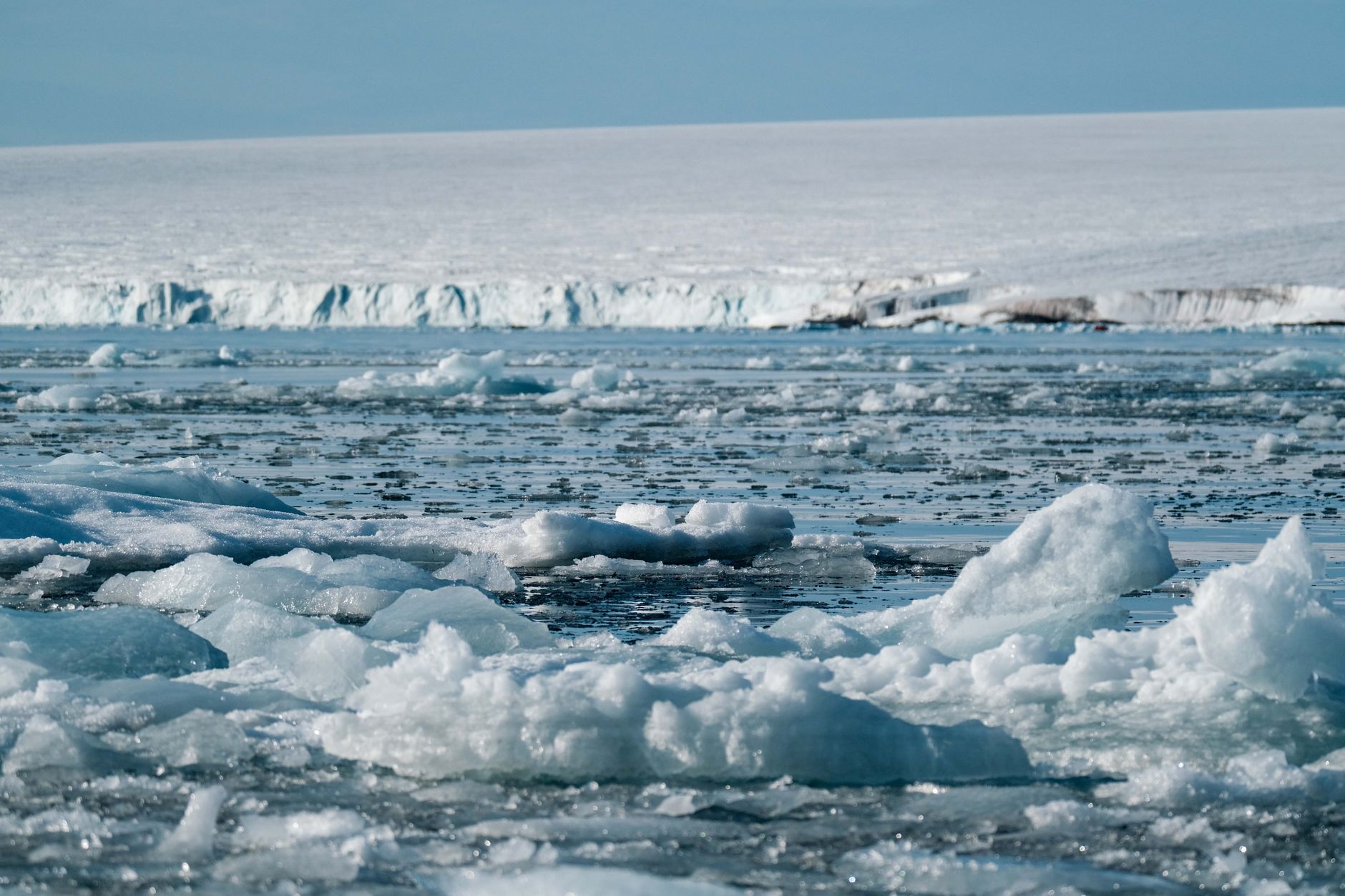
Thwaites Glacier sea-level rise could contribute twice as much as previously projected, raising concerns among scientists about future impacts on global coastlines.
Understanding Thwaites Glacier
Thwaites Glacier, located in West Antarctica, has become a focal point for climate scientists studying sea-level rise. This massive glacier is often referred to as the “doomsday glacier” because of its potential to significantly impact global sea levels. Recent research indicates that Thwaites Glacier could contribute twice as much sea-level rise as previously projected, raising alarms among experts.
The glacier is currently experiencing accelerated melting, driven by warm ocean currents that are eroding its ice shelf from below. This process not only weakens the glacier but also raises concerns about the stability of other surrounding ice masses.
Researchers emphasize the importance of understanding Thwaites Glacier’s dynamics, as it holds enough ice to raise sea levels by several meters if it were to collapse entirely. This situation poses risks to coastal communities worldwide, making it crucial to monitor the glacier’s changes closely.
Key factors contributing to the melting of Thwaites Glacier include:
- Increased ocean temperatures
- Retreating ice shelves
- Changes in atmospheric conditions
As scientists continue to study Thwaites Glacier, the implications for future sea-level rise remain a pressing concern.
Impact on Global Sea Levels
The Thwaites Glacier is a pivotal player in the dynamics of global sea-level rise. Recent studies indicate that its potential contribution to rising sea levels could be significantly more severe than previously estimated. Researchers now suggest that the Thwaites Glacier sea-level rise may reach unprecedented levels, impacting coastal communities worldwide.
As the glacier continues to melt, various factors exacerbate the situation:
- Accelerated Melting: Increased temperatures have led to faster melting rates, which can result in a domino effect on neighboring glaciers.
- Ocean Currents: Warmer ocean waters are eroding the glacier’s ice shelf from below, further destabilizing it.
- Feedback Loops: The loss of ice reduces the reflective surface area, causing more heat absorption and accelerated melting.
The implications of these changes are alarming. If the Thwaites Glacier were to collapse, scientists project that global sea levels could rise by as much as three meters, inundating low-lying areas and displacing millions. Addressing this looming crisis is essential for global climate strategies.
Future Projections for Coastal Areas
The Thwaites Glacier has long been a focal point for scientists studying climate change and its implications for global sea levels. Recent projections indicate that the potential impact of Thwaites Glacier sea-level rise could be more severe than previously understood. Coastal areas worldwide may face unprecedented challenges in the coming decades.
Experts warn that if the glacier were to melt at the accelerated rates now being predicted, several key consequences could arise:
- Increased flooding: Low-lying coastal regions may experience more frequent and severe flooding events.
- Infrastructure damage: Vital infrastructure, including roads and bridges, could be at risk, leading to costly repairs.
- Displacement of communities: Populations living in vulnerable areas might find themselves forced to relocate.
As scientists refine their models and gather more data, it becomes increasingly clear that the implications of Thwaites Glacier’s melting are dire. With its potential to contribute twice as much to sea-level rise as previously projected, the urgency for comprehensive coastal planning and climate adaptation strategies has never been greater.
Scientific Research on Glacier Melting
Recent scientific research on glacier melting has revealed alarming new projections regarding the Thwaites Glacier sea-level rise. This massive glacier, located in West Antarctica, has been the subject of intense study as experts seek to understand its potential impact on global sea levels.
Key findings from the latest studies include:
- Accelerated Melting: Researchers have noted a significant increase in the rate at which Thwaites Glacier is melting, with warmer ocean waters contributing to its instability.
- Increased Contribution: Estimates indicate that this glacier could account for twice as much sea-level rise as earlier projections suggested, emphasizing the urgency of monitoring its condition.
- Feedback Mechanisms: The research highlights complex feedback mechanisms that could further enhance melting, including the interaction between the glacier and the surrounding environment.
As scientists continue to analyze the implications of these findings, it becomes increasingly clear that the Thwaites Glacier sea-level rise poses a significant threat to coastal communities worldwide. Understanding these dynamics is crucial for developing effective adaptation strategies in response to rising seas.
Comparing Previous Estimates
Recent studies have revealed alarming updates regarding the Thwaites Glacier sea-level rise, indicating that previous estimates may have significantly underestimated its potential impact. The glacier, often referred to as the “Doomsday Glacier,” has been the subject of intense scientific scrutiny, with researchers now suggesting that it could contribute twice as much to rising sea levels as earlier projections indicated.
Comparative analysis of historical data and new modeling techniques has shed light on the glacier’s behavior, leading scientists to revise their forecasts. Key findings include:
- Accelerated Melting: Observations show that Thwaites is melting at an unprecedented rate, primarily due to warmer ocean currents.
- Increased Vulnerability: The glacier’s structural integrity is being compromised, making it more susceptible to collapse.
- Broader Implications: The potential for rapid sea-level rise could affect millions living in coastal regions across the globe.
As the Thwaites Glacier continues to destabilize, the scientific community emphasizes the urgent need for updated models that take into account these new findings to better predict future scenarios related to sea-level rise.
Implications for Climate Policy
The alarming revelations regarding the Thwaites Glacier sea-level rise have significant implications for climate policy worldwide. As scientists warn that the glacier could contribute twice as much to sea-level rise as previously estimated, policymakers must reassess their strategies to address this growing threat.
Key considerations include:
- Urgency of Action: The updated projections necessitate immediate and robust action to mitigate climate change and prepare for potential impacts.
- Investment in Research: Increased funding for scientific research is essential to better understand glacial dynamics and refine predictive models.
- Coastal Infrastructure: Policymakers need to prioritize investments in resilient infrastructure to protect vulnerable coastal communities from flooding and erosion.
- Global Cooperation: Addressing the implications of Thwaites Glacier’s melting requires international collaboration to share knowledge and resources.
The new findings reinforce the urgency for comprehensive climate policies that not only focus on reducing emissions but also enhance adaptive capacity for regions likely to be impacted by the Thwaites Glacier sea-level rise. Failure to act could lead to unprecedented challenges for millions worldwide.
Public Awareness and Education
As the alarming projections regarding the Thwaites Glacier sea-level rise gain attention, public awareness and education become crucial components in addressing this pressing issue. Many individuals remain unaware of the glacier’s significance and its potential impact on coastal communities worldwide.
To bridge this knowledge gap, various organizations and educational institutions are launching initiatives aimed at informing the public about the implications of the Thwaites Glacier’s rapid melting. These initiatives often include:
- Workshops and seminars designed to educate participants on the science behind glacier dynamics and their role in climate change.
- Public outreach campaigns utilizing social media and local events to disseminate information about the urgency of addressing sea-level rise.
- Collaborations with schools to integrate climate education into the curriculum, helping the next generation understand the challenges posed by melting glaciers.
By fostering a well-informed public, these efforts aim to encourage proactive measures and support for policies that address the consequences of the Thwaites Glacier sea-level rise, ultimately striving for a more resilient future.
The alarming projections regarding Thwaites Glacier sea-level rise highlight the urgent need for global climate action. As scientists continue to study the effects of Thwaites Glacier sea-level rise, the potential consequences for coastal communities become increasingly concerning.
Photo by Francesco Ungaro on Pexels




Leave a Reply