
US Fed policy rates are in focus as analysts anticipate a potential pause in key rates. Understanding the implications of this decision is crucial for investors and the economy alike.
What to Expect from the US Fed
The upcoming meeting of the US Federal Reserve is generating significant anticipation among economists and investors alike. With the current landscape of inflation and employment, market participants are keenly observing potential shifts in US Fed policy rates.
Several key indicators will be critical in determining the Fed’s next move:
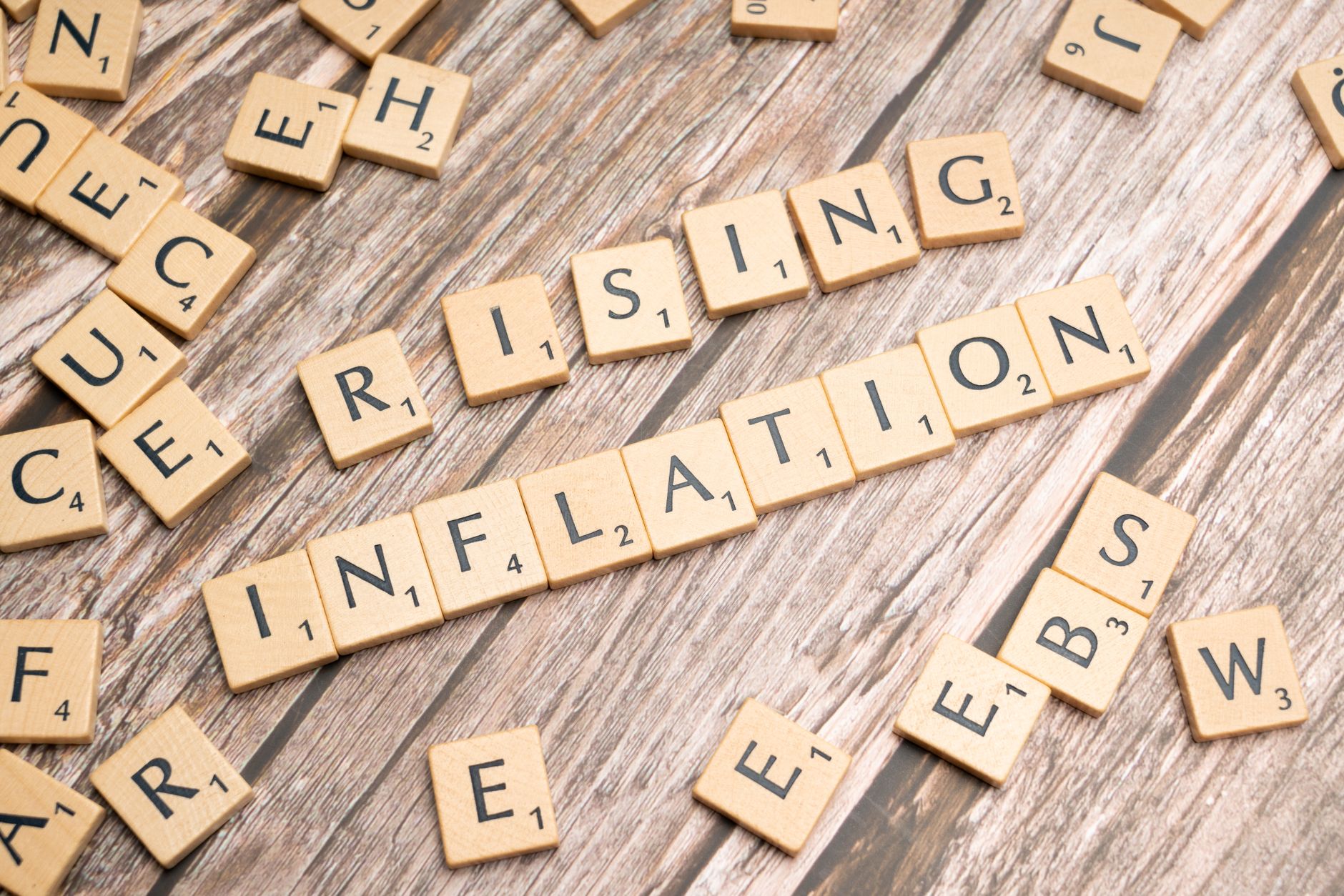
- Inflation Rates: The latest inflation data will be pivotal. A consistent rise or fall could influence the Fed’s decision to either maintain or adjust the policy rates.
- Employment Figures: The labor market’s health remains a crucial factor. Low unemployment rates may prompt the Fed to consider tightening rates to prevent overheating.
- Economic Growth: GDP growth figures will provide insight into the overall economic stability, helping the Fed gauge whether to support or curb consumer spending through adjustments in policy rates.
Investors are particularly interested in how the Fed communicates its intentions, as this could significantly impact market reactions. A pause in the hikes may signal confidence in the economy, whereas a decision to raise rates could denote concerns about inflationary pressures. As the Fed navigates these challenges, clarity on US Fed policy rates will be crucial for economic stability.
Key Indicators to Monitor
As the US Federal Reserve deliberates on its next move regarding policy rates, several key indicators are crucial for understanding potential outcomes and their implications for economic stability.
- Inflation Rates: Monitoring inflation trends is essential, as high inflation may prompt the Fed to raise policy rates, while low inflation could lead to a pause or reduction in rates. The Consumer Price Index (CPI) is a vital measure to track.
- Employment Data: The state of the labor market plays a significant role in Fed decisions. Strong job growth and low unemployment rates may reinforce the case for maintaining or increasing policy rates to prevent overheating.
- Gross Domestic Product (GDP) Growth: Economic growth rates provide insights into the overall health of the economy. A slowdown in GDP growth may lead the Fed to reconsider its stance on policy rates to support recovery.
By closely observing these indicators, analysts and investors can gain a clearer understanding of the potential trajectory of US Fed policy rates and their impact on the broader economic landscape.
Impacts of Policy Rate Changes
Changes in the US Fed policy rates can have significant impacts on various sectors of the economy. Understanding these effects is crucial for investors, businesses, and consumers alike.
- Borrowing Costs: When the Fed adjusts its policy rates, it directly influences interest rates across the economy. An increase in policy rates typically leads to higher borrowing costs for consumers and businesses, which can dampen spending and investment.
- Consumer Spending: Higher interest rates may discourage consumers from taking out loans for big-ticket items such as homes and cars. This can lead to a slowdown in retail sales, ultimately affecting overall economic growth.
- Inflation Control: One of the primary goals of adjusting policy rates is to keep inflation in check. By raising rates, the Fed aims to reduce demand and, consequently, curb rising prices, contributing to economic stability.
- Investment Strategies: Investors closely monitor policy rate changes as they can influence stock market performance. A rise in rates may prompt a shift in investment strategies, with potential implications for asset allocation.
Overall, the impacts of policy rate changes are far-reaching, underscoring their importance in maintaining economic stability.
Market Reactions to Fed Decisions
The recent decisions made by the US Fed regarding policy rates have elicited a range of reactions from market participants. Investors remain vigilant as they analyze the potential impact of these decisions on the broader economy.
In the aftermath of the Fed’s announcements, stock markets experienced significant fluctuations, with many investors reassessing their portfolios. Some sectors, such as technology and finance, showed immediate gains, while others, like consumer goods, faced bearish trends.
Analysts noted that the US Fed policy rates play a crucial role in shaping investor sentiment. A pause in rate hikes may signal a more cautious approach to economic growth, while an increase could reflect confidence in the economy’s resilience.
Furthermore, bond markets saw increased activity, with yields adjusting to align with anticipated future rate movements. Investors are closely watching indicators such as inflation rates, employment data, and manufacturing outputs, which are pivotal in predicting the Fed’s next moves.
As the economic landscape continues to evolve, market reactions to Fed decisions will likely remain a critical area of focus for traders and policymakers alike.
Future Economic Outlook
The future economic outlook remains uncertain as the US Fed policy rates play a critical role in shaping financial stability. Analysts predict that the Fed may consider various factors before making any significant changes. Key indicators to watch include:
- Inflation Rates: Continued monitoring of inflation is essential, as persistent inflation could prompt the Fed to adjust rates sooner than expected.
- Employment Data: Strong job growth may influence the Fed’s decisions, as a robust labor market often correlates with increased consumer spending.
- Consumer Confidence: Shifts in consumer sentiment can provide insight into future economic activity, impacting the Fed’s stance on policy rates.
Furthermore, the global economic landscape poses additional challenges. International trade dynamics and geopolitical tensions can affect domestic economic stability. Should external pressures mount, the US Fed may need to reevaluate its approach to policy rates.
In summary, the interplay of these factors will be crucial in determining the trajectory of US Fed policy rates. Stakeholders must remain vigilant and adaptable as they navigate the evolving economic environment.
The recent adjustments in US Fed policy rates aim to strike a balance between stimulating growth and controlling inflation. Many economists believe that the right move in US Fed policy rates can lead to long-term economic stability.




Leave a Reply