

Samsung sales performance has remained impressive, securing the top spot in the market despite the ongoing memory crisis affecting many tech companies.
Overview of Samsung’s Sales Performance
Samsung has consistently demonstrated a robust sales performance, even amidst the challenges posed by the global memory chip crisis. Recent reports indicate that the company has successfully maintained its position as a leader in the tech industry, securing the top spot in sales for multiple quarters.
The company’s diverse product portfolio, which includes smartphones, home appliances, and semiconductors, has significantly contributed to its resilience. Key factors influencing Samsung’s strong sales performance include:
- Innovation: Samsung continues to invest heavily in research and development, introducing cutting-edge technology that attracts consumers.
- Diverse Markets: The company’s ability to cater to various segments—from premium to budget devices—allows it to reach a wider audience.
- Brand Loyalty: With a strong brand presence and reputation for quality, many consumers remain loyal to Samsung products.
- Strategic Partnerships: Collaborations with other tech leaders enhance Samsung’s market appeal and expand its reach.
Despite facing declining prices in the memory chip sector, which has affected many competitors, Samsung’s effective strategies have allowed it to not only survive but thrive. As the tech landscape evolves, Samsung’s sales performance may continue to set benchmarks for the industry.
Impact of Memory Crisis on the Industry
The ongoing memory crisis has significantly impacted the technology sector, leading to fluctuations in sales performance for many companies. However, Samsung has managed to secure its position as a leader in the industry, showcasing resilience amid these challenges.
The memory crisis, primarily driven by supply chain disruptions and increasing demand for semiconductors, has forced many firms to reevaluate their strategies. Despite this, Samsung’s sales performance remains robust due to several key factors:
- Diverse Product Range: Samsung’s extensive portfolio, including smartphones, tablets, and home appliances, allows it to mitigate risks associated with the memory market.
- Strong Brand Loyalty: The company’s reputation for quality and innovation has fostered a loyal customer base, helping to sustain sales figures even in tough times.
- Innovative Solutions: Samsung has consistently invested in research and development, enabling it to offer cutting-edge technology that meets consumer demands.
In conclusion, while the memory crisis poses challenges for the tech industry, Samsung’s strategic approaches have maintained its impressive sales performance, reinforcing its status as a top player in the market. As the situation evolves, the company’s ability to adapt will be crucial in sustaining its competitive edge.
Comparative Analysis with Competitors
In the current landscape of the technology sector, Samsung’s sales performance stands out when compared to its key competitors. Despite challenges such as the memory crisis impacting the industry, Samsung has managed to secure a leading position in sales, showcasing its resilience and strategic prowess.
To better understand this performance, we can look at several key players in the tech market:
- Apple: Known for its premium products, Apple continues to thrive; however, its growth rate has slowed compared to previous years, affecting overall sales.
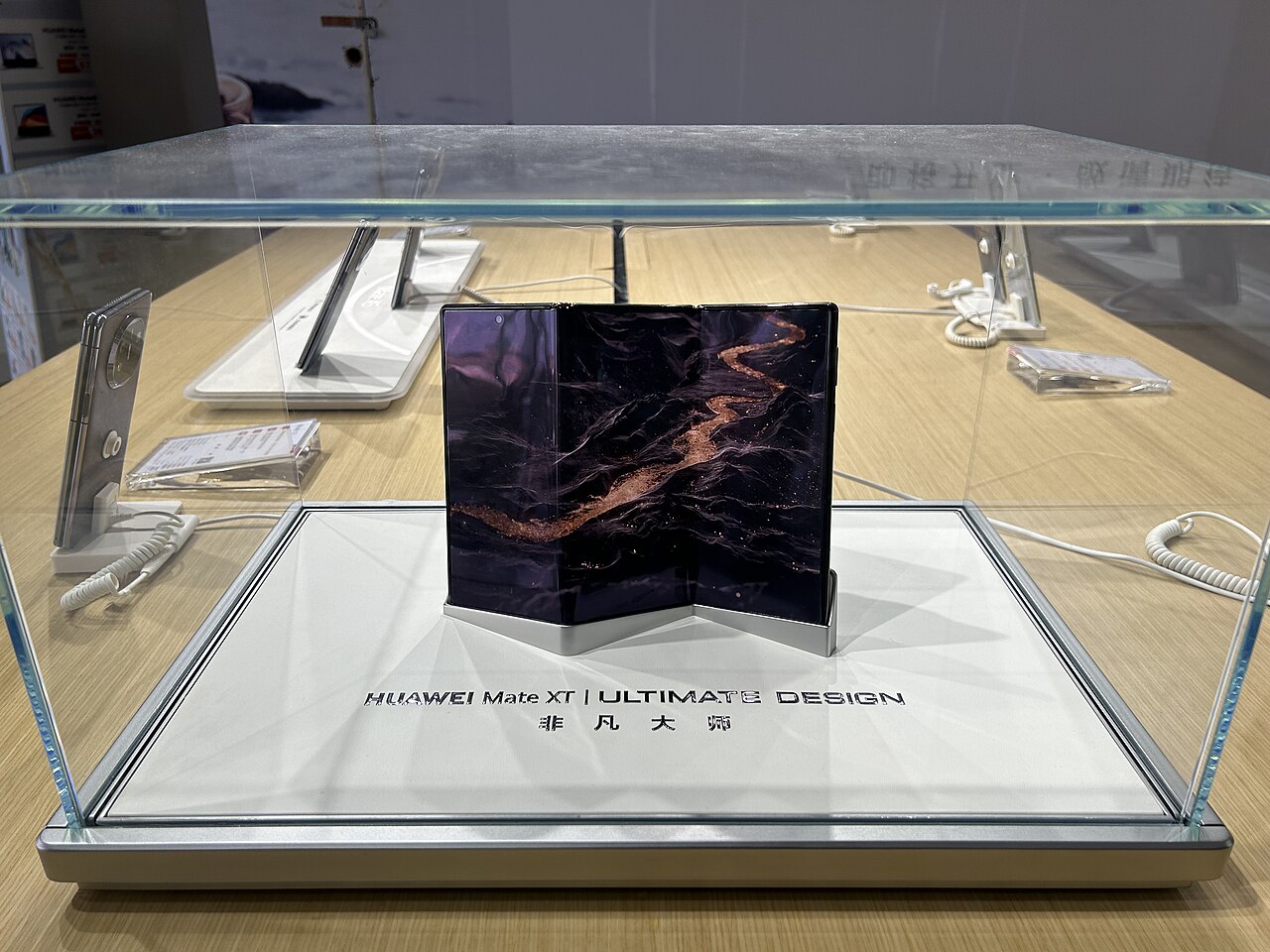
- Huawei: While Huawei has made significant strides internationally, sanctions and market restrictions have hindered its sales performance in certain regions.
- Xiaomi: This company has seen rapid growth in emerging markets, yet it still trails behind Samsung in terms of overall market share and brand recognition.
Samsung’s diverse product portfolio, including smartphones, home appliances, and semiconductor solutions, has been a crucial factor in maintaining its competitive edge. The company has successfully leveraged its technological innovations to enhance customer experience, thus driving sales even during challenging times.
As the tech industry continues to evolve, Samsung’s ability to adapt and innovate will be critical in sustaining its impressive sales performance against formidable rivals.
Consumer Response to Samsung Products
The consumer response to Samsung products has been largely positive, reflecting the company’s robust sales performance in recent quarters. As Samsung continues to innovate and expand its product lineup, customers have shown a willingness to embrace new technologies, which has contributed significantly to the brand’s market dominance.
One notable aspect of Samsung’s success is its commitment to quality and reliability. Consumers often cite the following reasons for their preference:
- Innovative Features: Samsung consistently introduces cutting-edge technology, such as advanced camera systems and display technologies.
- Diverse Product Range: From smartphones to home appliances, Samsung offers a wide array of products that cater to various consumer needs.
- Brand Trust: Years of delivering high-quality products have established Samsung as a trusted brand in the tech industry.
Furthermore, Samsung’s strategic marketing campaigns have effectively highlighted the unique selling points of their devices, resonating well with tech-savvy consumers. This has not only enhanced brand loyalty but also attracted new customers looking for reliable and innovative gadgets.
As the company continues to navigate challenges within the tech landscape, the positive consumer response underscores the strength of Samsung’s sales performance and its potential to remain a leader in the competitive market.
Future Predictions for Samsung
As Samsung continues to solidify its position in the tech industry, future predictions regarding its sales performance remain optimistic. Analysts believe that the company’s innovative approach and strong brand loyalty will drive growth in the coming years. Several factors contribute to these projections:
- Product Diversification: Samsung’s extensive range of products, from smartphones to home appliances, allows it to capture various market segments, ensuring steady revenue streams.
- Technological Advancements: With ongoing investments in research and development, Samsung is likely to introduce new technologies that further enhance user experience and attract new customers.
- Global Expansion: The company’s push into emerging markets presents significant opportunities for growth, particularly as middle-class consumers increase their purchasing power.
- Strong Brand Equity: Samsung’s reputation for quality and innovation continues to resonate with consumers, fostering loyalty that bodes well for future sales performance.
However, challenges remain. The competitive landscape is ever-evolving, with rivals keen to capture market share. As such, Samsung must remain agile and responsive to market demands. Overall, while uncertainties linger, the outlook for Samsung’s sales performance appears promising, driven by strategic initiatives and a commitment to excellence.
Market Trends in the Smartphone Sector
In recent months, market trends in the smartphone sector have highlighted some significant shifts, particularly as they relate to Samsung’s sales performance. Despite facing challenges such as supply chain disruptions and a global semiconductor shortage, Samsung has managed to maintain its position as a leader in the industry.
One notable trend is the increasing demand for 5G-enabled devices. As consumers seek faster connectivity, Samsung’s strategic investments in technology have positioned it well to capitalize on this shift. Additionally, the company’s diverse product lineup caters to a wide range of preferences, from budget-friendly models to high-end flagship devices.
Another key trend is the growing emphasis on sustainability. Consumers are increasingly prioritizing eco-friendly practices, and Samsung has responded by incorporating recycled materials into its products and packaging. This commitment to sustainability has resonated with environmentally conscious buyers, further enhancing Samsung’s sales performance.
The competition, however, remains fierce. Brands like Apple and Xiaomi are also vying for market share, but Samsung’s ability to innovate and adapt to changing consumer needs has kept it at the forefront. With a strong focus on research and development, the company is well-positioned to navigate future market fluctuations and continue its upward trajectory.
- Strong demand for 5G devices
- Focus on sustainability
- Diverse product offerings
Key Strategies Behind Samsung’s Success
Samsung’s remarkable sales performance can be attributed to several key strategies that have positioned the company as a leader in the technology sector. These strategies include:
- Innovation in Product Development: Samsung continuously invests in research and development, allowing them to release cutting-edge products that meet consumer demands. Their focus on features such as camera technology, foldable displays, and enhanced battery life keeps them ahead of competitors.
- Diverse Product Range: By offering a wide array of products, from flagship smartphones to budget-friendly options, Samsung appeals to a broad audience. This diverse lineup ensures that there is something for every consumer, regardless of their budget.
- Global Market Expansion: Samsung has strategically expanded its presence in emerging markets, capitalizing on the growing demand for smartphones and other tech products. This global footprint has significantly contributed to their overall sales performance.
- Effective Marketing Campaigns: The company invests heavily in marketing, using targeted advertising to reach potential customers. Their campaigns often emphasize quality, reliability, and the innovative aspects of their products, reinforcing brand loyalty.
These strategies have not only bolstered Samsung’s sales performance but have also solidified its position as a formidable competitor in the tech industry, even amidst challenges like the memory crisis.
Conclusion on Samsung’s Market Position
In light of the extensive analysis conducted on Samsung’s sales performance, it is clear that the company has effectively navigated challenges to maintain a prominent position in the technology sector. Despite facing significant hurdles, particularly due to the memory crisis that has affected the industry, Samsung’s strategic maneuvers have allowed it to secure a competitive edge.
The resilience demonstrated by Samsung can be attributed to its diversified product portfolio and commitment to innovation. By continually adapting to consumer preferences and technological advancements, the company has managed to not only retain existing customers but also attract new ones. This adaptability has been crucial, particularly in a market characterized by rapid changes.
Furthermore, consumer response to Samsung products has remained overwhelmingly positive, illustrating the brand’s strong reputation and customer loyalty. As evidenced by the comparative analysis with competitors, Samsung’s ability to outperform rivals in key metrics reinforces its leading market position.
Looking ahead, the future predictions for Samsung suggest that the company is well-positioned to capitalize on emerging trends in the smartphone sector. With continued investment in research and development and a focus on sustainability, Samsung is likely to enhance its sales performance further.
In conclusion, Samsung’s strategic initiatives and market responsiveness have solidified its status as a leading player in the tech industry, making it a benchmark for success amid challenges.
The recent analysis of Samsung sales performance reveals a steady growth in its smartphone segment, which has contributed significantly to its market position. As competitors struggle, the question remains whether Samsung sales performance will continue to lead the tech industry.
via Wikimedia Commons







Leave a Reply