

Home Health Aide (HHA) certification is an essential credential for individuals aiming to work in the growing field of home healthcare. This certification equips students with the practical skills and knowledge necessary to provide high-quality care to patients in their homes. With the demand for trained caregivers increasing due to an aging population and the rise of chronic health conditions, hha certification offers students a clear pathway to a meaningful and stable career in healthcare.
Comprehensive Training for Home Health Care
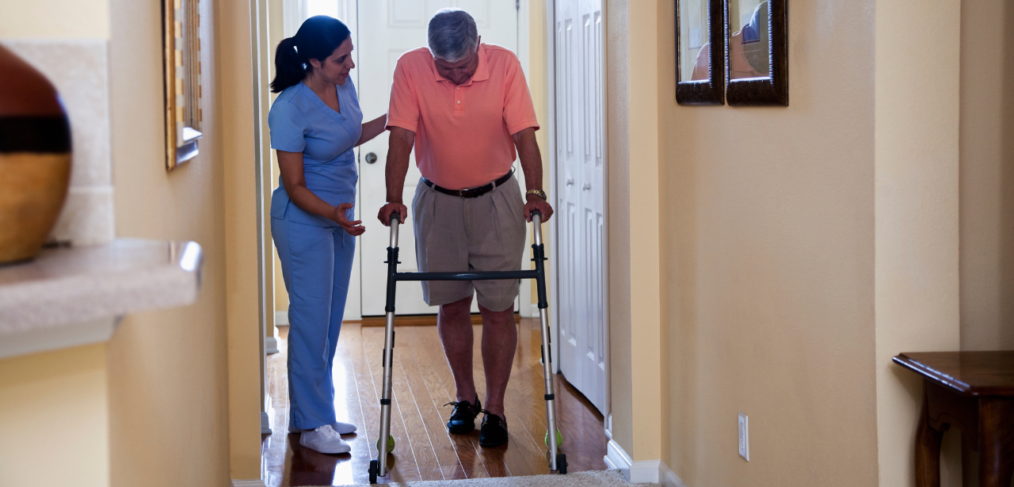
HHA certification programs are designed to provide students with a well-rounded education in both the theoretical and practical aspects of patient care. The curriculum typically covers areas such as personal care assistance, vital signs monitoring, infection control, and basic medical procedures. Students also learn how to assist patients with daily activities such as bathing, dressing, feeding, and mobility.
Training goes beyond physical care, emphasizing communication skills, empathy, and patient interaction. Certified aides learn to recognize the emotional and psychological needs of their patients, creating a supportive and respectful environment. This holistic approach ensures that students are prepared to provide care that addresses both physical and emotional well-being.
Hands-On Experience and Practical Skills
One of the key benefits of HHA certification is the opportunity for hands-on training. Students often participate in supervised clinical practice, where they apply classroom knowledge in real-life scenarios. This practical experience is invaluable for building confidence and competence in performing patient care tasks safely and effectively.
During training, students also learn to handle emergency situations, follow safety protocols, and adhere to ethical standards of care. These skills not only improve patient outcomes but also prepare students to work independently and make informed decisions in various home health settings.
Enhancing Employability and Career Prospects
Completing HHA certification significantly enhances a student’s employability. Healthcare organizations and private employers value certified aides because they have verified skills and knowledge in patient care. Certification signals to employers that the individual is dedicated, trained, and capable of performing essential tasks with professionalism and reliability.
Job opportunities for HHAs are diverse, ranging from home care agencies and nursing facilities to hospitals and rehabilitation centers. The certification also provides a solid foundation for those looking to advance in healthcare careers. Many certified HHAs pursue further education to become Certified Nursing Assistants (CNAs), Licensed Practical Nurses (LPNs), or Registered Nurses (RNs), using their initial training as a stepping stone.
Fostering Professional Confidence and Responsibility
HHA certification instills a sense of professionalism and responsibility in students. Knowing that they have acquired recognized skills allows them to approach their roles with confidence. This professional assurance is crucial when dealing with patients who may have complex medical needs or require sensitive care.
The training also teaches time management, documentation practices, and patient advocacy, which are essential for maintaining high standards in healthcare. Students learn to work collaboratively with other healthcare professionals, ensuring coordinated and effective care for each patient.
Making a Meaningful Impact in Patient Care
Beyond technical skills, HHA certification prepares students to make a meaningful difference in patients’ lives. Home health aides often develop close relationships with patients and their families, providing not only physical support but also emotional encouragement. This level of care can greatly enhance a patient’s quality of life and promote independence and dignity in daily living.
Conclusion
HHA certification equips students with the comprehensive skills, practical experience, and professional knowledge needed to succeed in home health roles. It prepares them to deliver compassionate, competent care while enhancing their employability and career growth opportunities. As the need for trained home health professionals continues to rise, obtaining HHA certification remains a vital step for anyone aspiring to make a positive impact in the healthcare industry.






Leave a Reply