
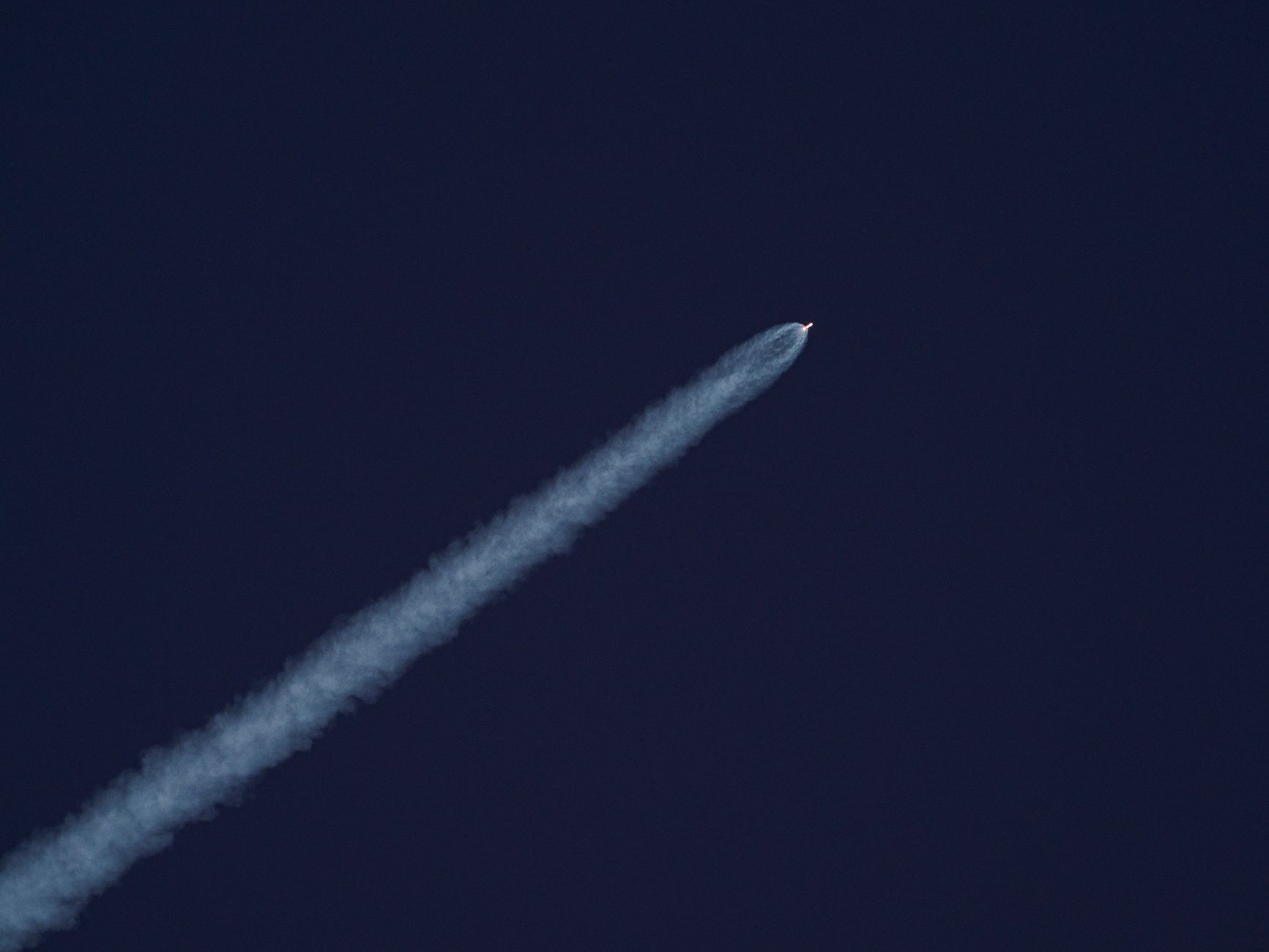
ISRO GSLV F17 launch has successfully placed the imaging satellite EOS-05 into orbit, showcasing India’s growing capabilities in space technology.
Overview of the GSLV F17 Launch
The recent ISRO GSLV F17 launch marks a significant achievement in India’s space exploration efforts. The Indian Space Research Organisation (ISRO) successfully launched the GSLV F17 rocket, carrying the imaging satellite EOS-05 into orbit. This mission is a testament to ISRO’s commitment to enhancing satellite capabilities and improving Earth observation technologies.
The GSLV F17 rocket, a part of ISRO’s Geosynchronous Satellite Launch Vehicle program, is designed to deploy heavier payloads into geosynchronous transfer orbits. The EOS-05 satellite is equipped with advanced imaging capabilities, enabling it to monitor various environmental and agricultural parameters, which is crucial for effective resource management.
Key highlights of the launch include:
- Launch Date: The GSLV F17 was launched on schedule, demonstrating ISRO’s reliability in meeting deadlines.
- Payload Capacity: The rocket successfully carried a payload of approximately 2,000 kilograms.
- Technological Advancements: The mission incorporates cutting-edge technology for improved satellite performance.
This successful mission not only reinforces ISRO’s position in the global space arena but also paves the way for future advancements in satellite technology.
Significance of the EOS-05 Satellite
The successful launch of the GSLV F17 by ISRO carries significant implications for Earth observation. At the heart of this mission is the EOS-05 satellite, designed to enhance our understanding of environmental changes and natural disasters.
The EOS-05 satellite is equipped with advanced imaging technology that will provide high-resolution data crucial for various applications. Its capabilities include:
- Monitoring agricultural health: By assessing crop conditions and soil moisture, the satellite can aid in optimizing agricultural practices.
- Disaster management: EOS-05 will assist in tracking and mitigating the impacts of natural disasters such as floods and cyclones.
- Climate change research: The satellite’s data will contribute to a better understanding of climate patterns and their effects on ecosystems.
Furthermore, the EOS-05 satellite will enhance India’s ability to provide timely information to government agencies, researchers, and farmers. This mission showcases the importance of the GSLV F17 launch in advancing India’s space capabilities and reinforcing its commitment to leveraging space technology for societal benefit. As the country continues to invest in space exploration, the EOS-05 satellite is set to play a pivotal role in addressing both immediate and long-term challenges faced by the nation.
ISRO’s Achievements in 2023
In 2023, the Indian Space Research Organisation (ISRO) has marked significant milestones that showcase its technological advancements and commitment to space exploration. The successful launch of the GSLV F17 rocket is a testament to ISRO’s engineering prowess and determination to enhance India’s capabilities in satellite deployment.
This year, ISRO has achieved remarkable successes, including:
- Launch of the EOS-05 Satellite: This mission not only demonstrates ISRO’s ability to deliver high-quality imaging satellites but also contributes to various applications such as agriculture, forestry, and disaster management.
- Innovation in Launch Vehicles: The GSLV F17 launch is part of a series of advancements made in launch vehicle technology, ensuring greater reliability and efficiency in future missions.
- International Collaborations: ISRO continues to strengthen partnerships with other space agencies and organizations, expanding its global presence and fostering collaborative research.
As 2023 unfolds, ISRO’s achievements, particularly the GSLV F17 launch, set a promising precedent for future endeavors in space exploration and satellite technology, reinforcing India’s position as a key player in the global space community.
Challenges Faced During the Launch
The launch of the ISRO GSLV F17 was not without its challenges. As the Indian Space Research Organisation prepared for this significant mission, various technical and environmental factors had to be addressed to ensure a successful launch.
- Weather Conditions: Launching during the monsoon season posed a risk, with unpredictable weather patterns threatening to delay the schedule. ISRO closely monitored conditions to secure a favorable launch window.
- Technical Hurdles: The GSLV F17 rocket incorporated advanced technology and systems. Engineers faced several hurdles during the integration of the payload, requiring meticulous checks and adjustments to ensure everything functioned seamlessly.
- Regulatory Approvals: Obtaining the necessary clearances from various governmental bodies was crucial. ISRO had to navigate a complex web of regulations to ensure compliance, which added to the timeline of the launch.
- Public Interest: With a growing public interest in space missions, the pressure was on ISRO to deliver results. The organization had to manage expectations while maintaining transparency about the challenges.
Despite these challenges, the successful launch of the ISRO GSLV F17, carrying the vital EOS-05 satellite, underscores the organisation’s resilience and commitment to advancing India’s capabilities in space exploration.
Future Missions Planned by ISRO
Looking ahead, the Indian Space Research Organisation (ISRO) has an ambitious roadmap for future missions that builds upon the success of the ISRO GSLV F17 launch. These upcoming missions aim to further enhance India’s capabilities in space exploration and satellite deployment.
Key future missions include:
- Chandrayaan-3: Following the success of Chandrayaan-2, ISRO is set to launch its next lunar mission, focusing on a soft landing on the Moon.
- Aditya-L1: This mission will study the Sun and its impact on the Earth’s climate, providing vital data for solar research.
- Gaganyaan: India’s first crewed space mission is also in the pipeline, aiming to send astronauts into low Earth orbit.
- Navigation Satellite Series: ISRO plans to bolster its navigation capabilities with the launch of multiple satellites in the coming years.
In addition to these high-profile projects, ISRO is also focusing on enhancing its launch vehicle technology, with more GSLV and PSLV missions planned to cater to both domestic and international satellite launches.
Public Response to the Launch
The recent launch of the ISRO GSLV F17 has garnered significant public attention and excitement. Many space enthusiasts and ordinary citizens alike took to social media to express their support and admiration for the Indian Space Research Organisation’s capabilities. The live coverage of the event attracted thousands of viewers, showcasing the growing interest in India’s space endeavors.
One of the most notable aspects of the public response was the overwhelming praise for ISRO’s dedication to advancements in space technology. Individuals shared their thoughts on various platforms, emphasizing the importance of the EOS-05 satellite for applications in agriculture, forestry, and disaster management. This positive feedback reflects a broader appreciation for ISRO’s role in improving life on Earth through innovative solutions.
Moreover, educational institutions organized viewing events, encouraging students to engage with the mission and learn more about space science. Many expressed hope that future launches would inspire the next generation of scientists and engineers.
As the nation celebrated this milestone, the enthusiasm around the ISRO GSLV F17 launch has undoubtedly strengthened the public’s connection to space exploration, fostering a sense of pride in India’s growing capabilities in the global arena.
Technical Details of the GSLV F17
The GSLV F17, launched by ISRO, is a significant advancement in India’s space capabilities. This launch marks a major milestone, showcasing the robustness of the GSLV series. The rocket is designed to deliver payloads into geosynchronous transfer orbits, enabling the deployment of crucial communication and observation satellites.
Key technical details of the GSLV F17 include:
- Height: Approximately 49 meters, making it one of the tallest rockets in ISRO’s fleet.
- Weight: The total lift-off weight is around 414 tons, showcasing its capacity to carry substantial payloads.
- Payload Capacity: Capable of placing payloads of up to 2,500 kg into geostationary transfer orbit, enhancing India’s satellite capabilities.
- Launch Vehicle: This mission utilized the cryogenic upper stage, which improves efficiency and performance compared to previous models.
- Mission Profile: The GSLV F17 followed a meticulously planned trajectory, ensuring successful deployment of the EOS-05 satellite.
The GSLV F17 launch underscores ISRO’s commitment to advancing space technology, as it continues to innovate and expand its capabilities in the field of satellite deployment.
The ISRO GSLV F17 launch has set new benchmarks in reliability and performance for India’s space program. As a result, the ISRO GSLV F17 launch is being hailed as a significant achievement in the realm of satellite deployment.
Photo by Dirk Schuneman on Pexels




Leave a Reply