
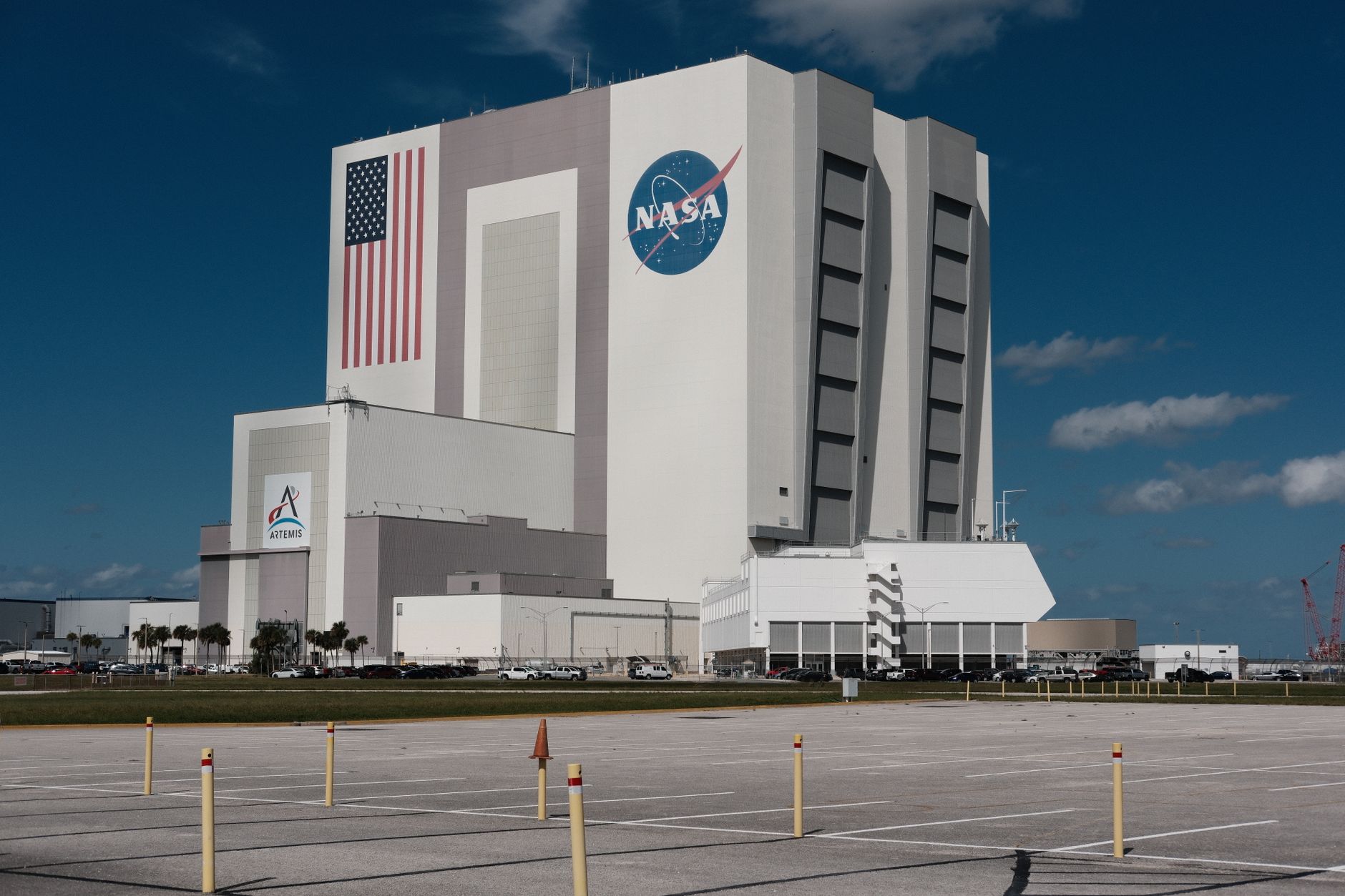
European Space Agency missions are making headlines with the recent liftoff of FLEX and Sentinel-3C. These missions promise to enhance our understanding of the environment and space technology.
Overview of the European Space Agency Missions
The European Space Agency (ESA) is set to embark on groundbreaking missions that promise to enhance our understanding of the Earth and its ecosystems. Among the most anticipated launches are the FLEX and Sentinel-3C missions, both of which were successfully lifted off together in a remarkable display of collaborative engineering.
The FLEX mission, which stands for Fluorescence Explorer, aims to observe the fluorescence emitted by plants during photosynthesis. This innovative approach will provide scientists with invaluable data on plant health and growth, offering insights into agricultural productivity and environmental changes. By monitoring the glowing signals from plants, FLEX will enable researchers to assess the impacts of climate change on vegetation.
On the other hand, Sentinel-3C joins the well-established Sentinel-3 family, which focuses on monitoring the Earth’s land and sea surface. Operated by EUMETSAT on behalf of ESA, this mission will contribute to the continuous observation of our planet, providing critical data for climate studies, disaster management, and resource monitoring.
As these missions unfold, they underscore the commitment of the European Space Agency to advancing our knowledge through innovative technology and collaboration. Together, these European Space Agency missions highlight the importance of space exploration in addressing global challenges.
What is FLEX and its Purpose?
The European Space Agency (ESA) is set to launch a groundbreaking mission known as FLEX, which stands for Fluorescence Explorer. This innovative satellite is designed to monitor the Earth’s vegetation in a way that has never been done before. FLEX’s primary purpose is to measure the natural fluorescence emitted by plants during the photosynthesis process. This unique capability will provide crucial insights into plant health and productivity, which are essential for understanding ecosystem dynamics and addressing global challenges like climate change.
By observing the light emitted by plants, FLEX will help researchers gauge the efficiency of photosynthesis across various ecosystems. This data is vital for monitoring how different plant species respond to environmental stressors, such as drought or disease. Additionally, the insights gained from FLEX can aid in improving agricultural practices and enhancing carbon cycle models, contributing to our understanding of carbon sequestration.
The mission is particularly relevant as it coincides with the ESA’s ongoing commitment to advancing scientific knowledge through its numerous missions. FLEX will work in harmony with other European Space Agency missions, including the Sentinel-3C, which is part of the Copernicus program. Together, these missions support a comprehensive approach to monitoring the Earth’s surface, providing critical data that informs both policy and conservation efforts.
Understanding Sentinel-3C’s Role
The Sentinel-3C satellite, part of the European Space Agency missions, plays a crucial role in monitoring Earth’s oceans, land, and atmosphere. Launched alongside the FLEX satellite, Sentinel-3C enhances the capabilities of its predecessors, providing vital data for environmental monitoring and climate change research.
One of the primary functions of Sentinel-3C is to collect high-precision measurements of sea surface temperature, which is essential for understanding ocean dynamics and weather patterns. This satellite is equipped with advanced instruments that enable it to:
- Measure ocean color: By observing the color of the ocean, scientists can assess phytoplankton concentrations and health.
- Monitor land surface temperatures: This data helps in studying land use changes and their impact on local climates.
- Track ice and snow cover: Understanding changes in polar regions is vital for predicting sea level rise and climate shifts.
Furthermore, Sentinel-3C contributes to the Copernicus programme, which aims to provide users with accurate and timely information about the state of the Earth. The data gathered from this satellite is invaluable for policymakers, scientists, and researchers, allowing them to make informed decisions regarding environmental protection and resource management.
Impact of These Missions on Space Exploration
The recent launches of the European Space Agency missions, including FLEX and Sentinel-3C, are set to significantly advance our understanding of Earth and its ecosystems. These missions exemplify the ESA’s commitment to enhancing space exploration and environmental monitoring.
FLEX, designed to observe the fluorescence of plants during photosynthesis, will provide invaluable data about vegetation health and carbon cycling. This information is crucial as it helps scientists monitor the impacts of climate change and human activities on global ecosystems. By understanding how plants respond to environmental stress, researchers can develop better conservation strategies.
On the other hand, Sentinel-3C contributes to the extensive Sentinel program, which plays a vital role in monitoring land and ocean dynamics. It offers high-resolution data that supports a variety of applications, from tracking sea level rise to managing natural resources. The integration of Sentinel-3C into the existing network enhances the continuity and reliability of critical environmental data.
Both missions highlight the European Space Agency’s dedication to leveraging space technology for the benefit of humanity. The insights gained from these missions will not only improve our understanding of Earth but also inform policy decisions aimed at sustainability and environmental protection. As these European Space Agency missions continue to unfold, the potential for groundbreaking discoveries in space exploration remains limitless.
As the world eagerly anticipates the upcoming projects, European Space Agency missions are set to redefine our understanding of the universe. With cutting-edge technology and international collaboration, these European Space Agency missions promise to deliver groundbreaking discoveries.
Photo by Lando Dong on Pexels
References
Related stories
Primebook 3 Max: The Best Laptop for Your Needs Today · iOS 27.2 Health App: Is It the Best Upgrade Yet? · 9 Kings Release Date: The Complete Guide You Need




Leave a Reply