
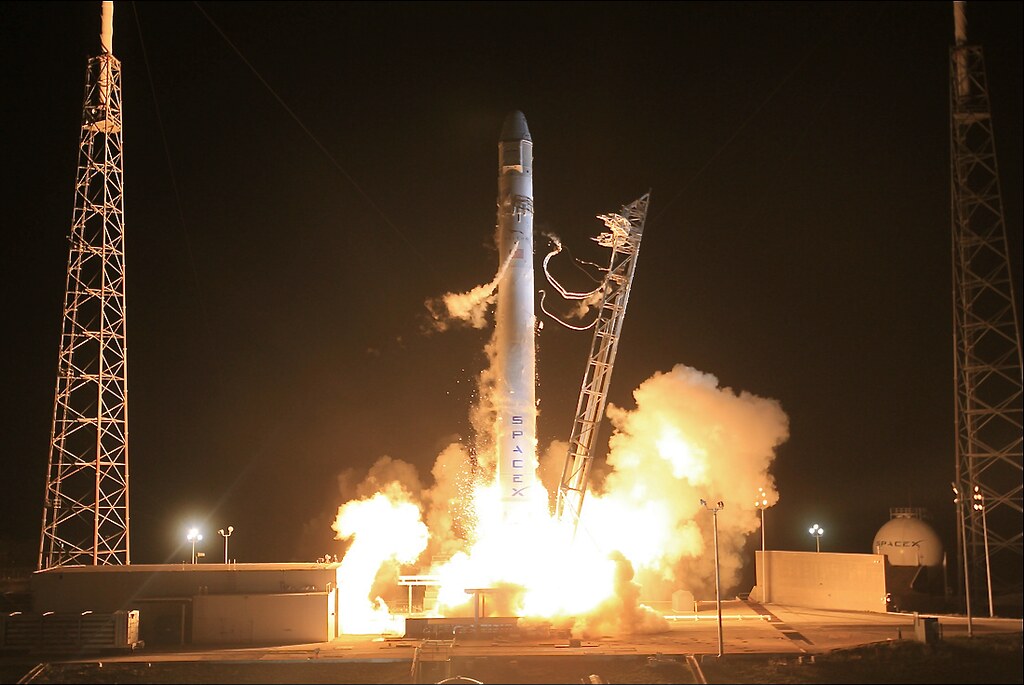
Precise orbit determination is essential for satellite missions, and NaviGate has successfully demonstrated its capabilities aboard D-Orbit’s ION Satellite Carrier. This advancement could significantly improve satellite navigation and operations.
What is Precise Orbit Determination?
Precise Orbit Determination (POD) is a critical process in the field of satellite operations, ensuring that the position and trajectory of satellites are accurately identified and maintained. This technique utilizes a variety of data sources, including satellite measurements, ground-based observations, and advanced algorithms to calculate a satellite’s orbit with high accuracy.
The importance of POD cannot be overstated, as it plays a vital role in various applications, including:
- Improving the reliability of satellite communications
- Enhancing navigation systems
- Supporting scientific research and Earth observation initiatives
Recent advancements, such as the successful demonstration of onboard precise orbit determination aboard D-Orbit’s ION Satellite Carrier by NaviGate, showcase the growing capabilities of this technology. As satellites become integral to modern society, the implementation of precise orbit determination continues to evolve, promising more efficient and dependable satellite operations in the future.
How Does NaviGate Achieve Accuracy?
NaviGate employs a range of advanced technologies to achieve remarkable accuracy in precise orbit determination. The system integrates multiple data sources, including satellite navigation signals and ground-based measurements, to enhance positional precision. By utilizing high-quality sensors and sophisticated algorithms, NaviGate can accurately calculate the satellite’s trajectory in real-time.
The following factors contribute to its success:
- Multi-frequency Reception: NaviGate utilizes signals from various satellite constellations, which provides redundancy and improves reliability.
- Real-time Processing: Onboard processing capabilities allow for immediate adjustments based on current data, minimizing latency.
- Adaptive Filtering: Advanced filtering techniques help reduce noise and enhance the accuracy of orbit calculations.
- Robust Calibration: Continuous calibration against known reference points ensures high precision in orbit determination.
These innovations make NaviGate a leading contender in the field of satellite navigation, positioning it as a significant player in precise orbit determination solutions.
Benefits of Improved Satellite Navigation
The advancements in satellite navigation technology have brought significant benefits to various sectors. Improved satellite navigation enhances the accuracy and reliability of data collection, which is crucial for applications such as weather forecasting, disaster management, and telecommunications.
One of the standout innovations is precise orbit determination, which allows satellites to maintain accurate positional data in real-time. This technology not only minimizes errors in satellite positioning but also optimizes the overall mission performance.
Key benefits of improved satellite navigation include:
- Enhanced Data Quality: High-precision data leads to better analysis and decision-making.
- Increased Operational Efficiency: Accurate positioning reduces the need for costly corrections and adjustments.
- Improved Safety: Reliable satellite navigation systems contribute to safer aerial and maritime operations.
- Broader Applications: Precise orbit determination expands the usability of satellites across different industries.
As demonstrated by NaviGate, these advancements represent a significant leap forward in satellite technology.
Challenges in Orbit Determination
Despite the advancements in precise orbit determination, several challenges persist in the field of satellite navigation. These challenges can impact the accuracy and reliability of orbit tracking systems.
- Environmental Factors: External forces such as atmospheric drag, gravitational perturbations, and solar radiation pressure can introduce errors in orbit predictions.
- Technological Limitations: The performance of sensors and algorithms used for orbit determination can vary, leading to inconsistencies in data collection and processing.
- Data Synchronization: Ensuring that all systems are synchronized in real-time is crucial for maintaining accurate orbit data, yet this remains a complex task.
- Cost of Implementation: Upgrading existing satellite systems to incorporate precise orbit determination capabilities can be prohibitively expensive for many organizations.
Addressing these challenges is essential for maximizing the effectiveness of precise orbit determination and ensuring that satellites can operate optimally in their designated orbits.
Recent Developments in Space Technology
Recent advancements in space technology have significantly enhanced the capabilities of satellite navigation systems. One notable development is the successful demonstration of onboard precise orbit determination (POD) aboard D-Orbit’s ION Satellite Carrier. This milestone showcases how innovative techniques can improve the accuracy of satellite positioning.
The deployment of advanced algorithms and sensors has made it possible for satellites to perform real-time calculations that were previously unattainable. These improvements are critical for applications such as Earth observation, telecommunications, and navigation, where precise data is essential.
Furthermore, the integration of artificial intelligence into POD systems is paving the way for smarter navigation solutions. The continuous feedback loop created by these technologies allows satellites to adapt and correct their orbits automatically, ensuring optimal performance.
As the demand for precise orbit determination grows, the ongoing research and development in this field promise to deliver even greater reliability and efficiency in satellite operations.
Future of Satellite Operations
The future of satellite operations is increasingly reliant on advancements in precise orbit determination technologies. As satellite constellations continue to expand, the need for accurate positioning becomes paramount. Enhanced orbit determination methods promise to improve the reliability of satellite data, leading to more effective applications in various fields.
Key trends shaping the future include:
- Integration with Artificial Intelligence: AI can analyze vast amounts of data to refine orbit predictions, ensuring optimal satellite performance.
- Miniaturization of Technology: Smaller, more efficient sensors enable precise tracking and real-time adjustments, especially for smaller satellites.
- Collaboration with Ground Stations: Increased cooperation between satellite operators and ground-based systems can enhance data accuracy and reduce latency.
- Regulatory Frameworks: As more entities enter space, robust regulations will be necessary to manage orbital debris and traffic.
Ultimately, the ongoing evolution of precise orbit determination will play a crucial role in the success and safety of future satellite missions.
By jurvetson via Openverse





Leave a Reply