
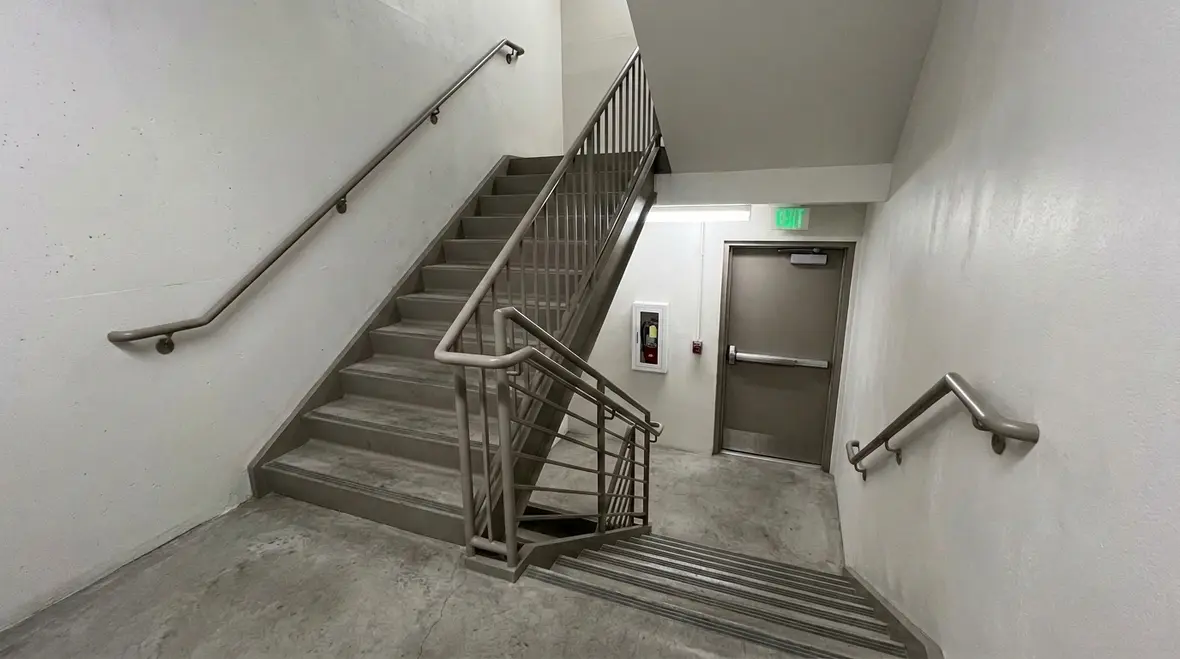
Fires, floods, and unexpected equipment failures can threaten everything a business owner has worked to build. Property, inventory, and even the safety of employees hang in the balance when these hazards strike without warning. Commercial alarm monitoring offers a dependable layer of protection that goes far beyond simple theft prevention, actively watching for the threats that could undo years of hard work in a matter of minutes.
Why Does Fire Protection Matter So Much for Commercial Properties?
Fire remains one of the most destructive risks a business can face. Flames can spread rapidly through a building, damaging structures, equipment, and inventory before anyone has a chance to react. A monitored system detects smoke and heat signatures early, alerting emergency responders and giving occupants precious time to evacuate safely. For business owners, this early detection can mean the difference between a minor incident and a catastrophic loss that threatens the survival of the enterprise itself.
Can Alarm Monitoring Detect More Than Just Fire?
Yes. Modern monitoring systems are designed to watch for a wide range of environmental hazards, not just flames. Flooding, for instance, can silently destroy electronics, documents, and inventory long before anyone notices standing water. Temperature fluctuations can signal a failing HVAC system or a malfunctioning refrigeration unit, both of which can spoil perishable goods or damage sensitive equipment. By tracking these conditions continuously, monitoring systems give business owners the chance to intervene before small problems become expensive disasters.
How Does Monitoring Support Insurance Requirements?
Insurance providers often expect commercial properties to maintain certain safety measures as part of their coverage terms. A monitored alarm system demonstrates a proactive approach to risk management, which can support compliance with policy expectations and reduce friction during the claims process. When a covered incident occurs, documented monitoring activity and alert history can help substantiate claims, offering clarity during an already stressful situation. Business owners who prioritize monitoring are often better positioned to maintain favorable standing with their insurers over the long term.
What Role Does Monitoring Play in Regulatory Compliance?
Many industries operate under specific safety codes and regulations that require functioning fire detection and environmental monitoring systems. Staying compliant isn’t just a legal formality; it reflects a genuine commitment to protecting employees, customers, and the surrounding community. Regular monitoring ensures that alarm systems remain operational and that any faults are identified and addressed promptly, helping business owners avoid the complications that come with non-compliance.
How Does This Protection Extend to Legacy and Livelihood?
For many business owners, their company represents more than a source of income. It’s a legacy built through years of dedication, often intended to support families or be passed down to future generations. Losing a property to fire or flood doesn’t just mean financial damage; it can mean the loss of something deeply personal. Commercial alarm monitoring helps preserve that legacy by reducing the likelihood that a single hazardous event derails everything that’s been built.
What Should Business Owners Look for in a Monitoring Solution?
A strong monitoring solution should offer continuous oversight across multiple hazard types, including fire, smoke, flooding, and temperature irregularities. Reliable alert systems, clear reporting, and responsive communication with emergency services are also essential features. Business owners should consider solutions that align with their specific industry requirements and insurance expectations, ensuring that the system in place genuinely supports both safety and compliance goals.
Is Alarm Monitoring Worth the Investment for Small and Mid-Sized Businesses?
Absolutely. Smaller businesses often have less financial cushion to absorb the impact of a major incident, making proactive protection even more valuable. A single fire or flood event can disrupt operations for an extended period, affecting revenue, customer trust, and employee stability. Investing in comprehensive monitoring is a practical step toward long-term resilience, regardless of a company’s size.
Moving Forward with Confidence
Protecting a commercial property requires more than locks and cameras. Fire, flooding, and temperature hazards pose real threats that can jeopardize everything a business owner has worked to create. By implementing a thorough monitoring solution, businesses gain the tools needed to detect danger early, support insurance and regulatory expectations, and safeguard the people and legacy behind the enterprise. Taking this step today helps ensure that tomorrow’s operations remain protected, stable, and secure.
Key Takeaways
- Commercial alarm monitoring offers protection against various hazards, including fire, flooding, and equipment failures, beyond just theft prevention.
- Monitored systems detect smoke and heat signatures early, giving occupants time to evacuate and potentially saving a business from catastrophic loss.
- Insurance providers often expect commercial properties to have monitored alarm systems to demonstrate a proactive approach to risk management and maintain compliance with policy expectations.
- Regular monitoring ensures that safety systems remain operational and helps business owners stay compliant with regulatory codes and regulations.
- Commercial alarm monitoring helps preserve a business’s legacy, reducing the likelihood that a single hazardous event could derail years of hard work.
- For small and mid-sized businesses, proactive monitoring is especially valuable, as they typically have less financial cushion to absorb the impact of major incidents.











Leave a Reply