
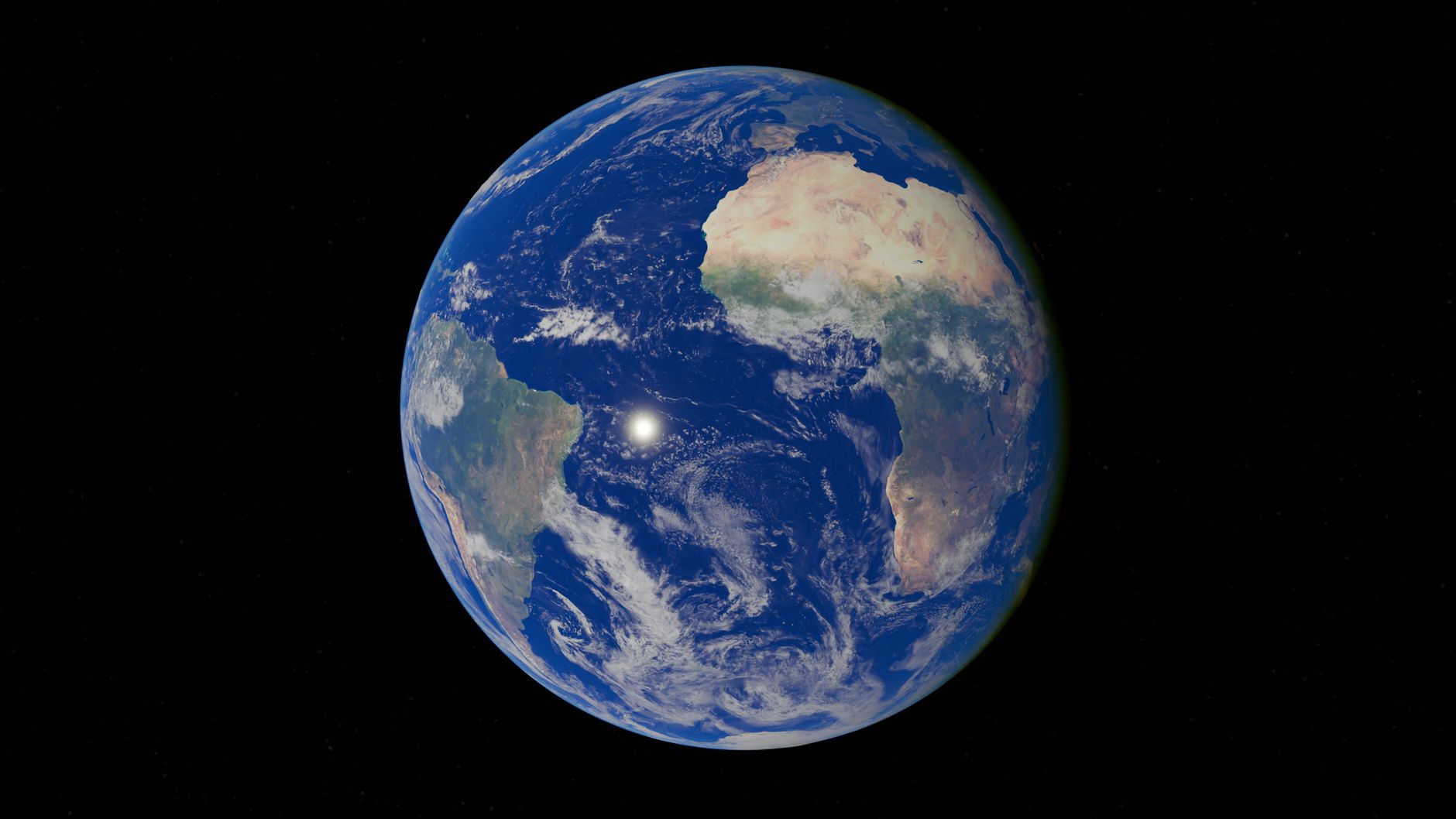
Size of our solar system is a topic of renewed interest among scientists. Recent discussions suggest that a reassessment could provide clearer insights into its true extent.
Introduction to Solar System Dimensions
The vastness of space has always intrigued humanity, and the size of our solar system is a topic that continues to spark interest among scientists and enthusiasts alike. Recent studies suggest that our previous measurements may need reevaluation, as advancements in technology offer us new insights into the dimensions of our cosmic neighborhood.
Traditionally, the solar system was thought to extend to the orbit of Neptune, but with the discovery of various celestial objects beyond this point, such as the Kuiper Belt and the more distant Oort Cloud, this definition is becoming increasingly complex. Scientists are now urging for a thorough reassessment of what constitutes the boundaries of our solar system.
Factors contributing to this rethinking include:
- The discovery of dwarf planets like Pluto and Eris, which challenge traditional classifications.
- Enhanced telescopic technology allowing for the detection of smaller and more distant objects.
- New theoretical models that suggest the solar system’s influence extends much farther than previously assumed.
Understanding the true size of our solar system is crucial, not just for academic purposes, but also for our perspective on Earth’s place in the universe.
Why Reassess the Solar System Size?
As our understanding of the cosmos evolves, so does the need to reassess the size of our solar system. Recent advancements in technology and research methodologies have prompted scientists to question previous measurements and definitions that have been used for decades. This reassessment is crucial for several reasons.
- Improved Measurements: With the advent of new telescopes and space missions, we have the capability to gather more accurate data about the distances and properties of celestial bodies.
- Dynamic Nature of Space: The solar system is not a static entity; it is influenced by numerous factors, including gravitational interactions with other celestial objects and dark matter.
- Understanding Boundaries: A clear definition of the edges of our solar system is vital for various scientific fields, including astronomy, astrophysics, and planetary science.
- Implications for Future Exploration: Knowledge about the actual size of our solar system can inform future missions and help scientists identify potential targets for exploration.
In conclusion, reassessing the size of our solar system is not merely an academic exercise; it is a necessary step to deepen our understanding of the universe and our place within it.
Recent Discoveries in Astronomy
Recent discoveries in astronomy have ignited discussions about the size of our solar system and the boundaries that define it. With advancements in telescope technology and data analysis, scientists have been able to observe celestial objects further than ever before. These findings have led to a reevaluation of how we understand the extent of our solar system.
One key development is the detection of distant trans-Neptunian objects (TNOs) that challenge previous notions of where our solar system ends. Researchers have identified several new objects that lie far beyond Pluto, suggesting that the solar system’s influence may stretch well into the Oort Cloud, a vast region of icy bodies. This has prompted scientists to propose that the actual size of our solar system could be much larger than previously calculated.
- Advancements in technology have improved our ability to spot distant objects.
- Newly discovered TNOs indicate a more extensive solar system than previously thought.
- Scientists are collaborating globally to refine measurements and definitions.
As our understanding evolves, it is clear that the size of our solar system is a topic ripe for reassessment, paving the way for exciting new research and exploration in the field of astronomy.
Implications of Size Changes
The recent shift in our understanding of the size of our solar system has significant implications for various fields of study. As scientists delve deeper into the cosmos, they are uncovering new data that challenges long-held beliefs about the boundaries and dimensions of our solar neighborhood.
One of the most crucial implications of these changes is the impact on planetary science. With an updated perspective on the solar system’s size, researchers may need to revise models that describe planetary formation and migration. Such revisions could lead to a better understanding of how celestial bodies interact and evolve over time.
Moreover, the reassessment of the solar system’s dimensions can influence space exploration. Missions designed to explore distant planets or objects may need to adjust their trajectories and resource allocations based on new measurements. This could enhance the efficiency and success rates of future explorations.
Additionally, a clearer picture of the solar system’s size allows for improved educational frameworks in astronomy. Students and enthusiasts can benefit from updated information that reflects current scientific consensus, fostering a more accurate understanding of our place in the universe.
In conclusion, the implications of changes in the size of our solar system extend far beyond mere numbers; they touch upon fundamental aspects of science, exploration, and education.
How Scientists Measure the Solar System
To accurately gauge the size of our solar system, scientists employ a variety of methods that utilize both observational and theoretical approaches. One of the primary techniques involves measuring the distance from the Sun to various celestial bodies, including planets, asteroids, and comets.
Astrophysicists often rely on parallax measurements, a technique that involves observing an object from two different positions to determine its distance based on the apparent shift in its location against a distant background. This method has been instrumental in pinpointing the locations of objects in our solar system.
Another vital tool is radar ranging, which sends radio waves to planets and measures the time it takes for the signals to return. This method has proven especially effective in calculating the distances to closer celestial bodies, such as Venus and Mars.
Additionally, scientists use data from spacecraft missions to refine their understanding of the solar system’s boundaries. These missions have provided invaluable information about the outer planets and their moons, contributing to a more comprehensive view of the solar system’s extent.
As technology advances, the precision of these measurements continues to improve, prompting a reevaluation of the size of our solar system and its implications for our understanding of the cosmos.
Historical Perspectives on Solar System Size
The quest to understand the size of our solar system has evolved significantly over the centuries. Early astronomers relied on rudimentary tools and observational techniques, leading to basic estimates of the distances between celestial bodies. For instance, in the 17th century, Johannes Kepler proposed a model based on the relative distances of the planets from the Sun, but his calculations were limited by the technology of his time.
With the advent of telescopes in the 18th century, astronomers like William Herschel began to push the boundaries of our understanding. Herschel’s discovery of Uranus expanded our knowledge of the solar system, highlighting the importance of observational data. However, the true scale of our solar system remained elusive until the 20th century when space probes and advancements in mathematics allowed for more precise measurements.
As technology progressed, the methods of calculating the size of our solar system improved dramatically. The development of radar ranging and the study of gravitational influences provided new insights, revealing that the solar system extends far beyond the orbit of Neptune, leading to a deeper understanding of its actual dimensions. This historical perspective underscores the need for continual reassessment as new discoveries challenge long-held beliefs about the size and structure of our solar system.
Future Exploration Plans
As scientists continue to unravel the complexities of the cosmos, future exploration plans are set to play a crucial role in redefining the size of our solar system. Upcoming missions aim to gather more precise data, helping researchers refine existing models and measurements.
Key initiatives include:
- NASA’s Perseverance Rover: Tasked with exploring Mars, the rover will collect samples that may provide insights into planetary formation and the solar system’s boundaries.
- James Webb Space Telescope: Scheduled to investigate distant exoplanets and celestial phenomena, this advanced telescope will enhance our understanding of solar and planetary systems beyond our own.
- New Horizons Mission: Following its historic flyby of Pluto, New Horizons is set to explore more distant objects in the Kuiper Belt, potentially redefining our view of the solar system’s outer limits.
These missions, among others, promise to yield valuable information about the size of our solar system and its intricate structure. As technology advances, the possibility of discovering new celestial bodies could further challenge our current understanding and lead to a significant reassessment of what constitutes the solar system’s size.
Conclusion: The Importance of Accurate Measurements
In conclusion, accurately understanding the size of our solar system is crucial for both scientific progress and public knowledge. As new discoveries emerge and measurement techniques improve, it becomes vital to reevaluate our existing models. The implications of these reassessments extend beyond mere numbers; they can influence our comprehension of planetary formation, celestial dynamics, and even the potential for life beyond Earth.
Moreover, as we venture deeper into space exploration, having precise measurements will guide future missions and help scientists identify potential targets for study. This can lead to significant advancements in our understanding of other star systems and their characteristics.
Key reasons for prioritizing accurate measurements include:
- Enhancing scientific research: With precise data, researchers can develop more accurate simulations of our solar system’s history and evolution.
- Improving navigation: Accurate sizes will ensure that spacecraft can be directed more efficiently, reducing travel time and costs.
- Inspiring public interest: Clear and accurate information about our solar system can foster curiosity and education among the public.
Ultimately, a thorough reassessment of how we define the size of our solar system will have lasting impacts on both the scientific community and the general public.
Photo by Zelch Csaba on Pexels



Leave a Reply