
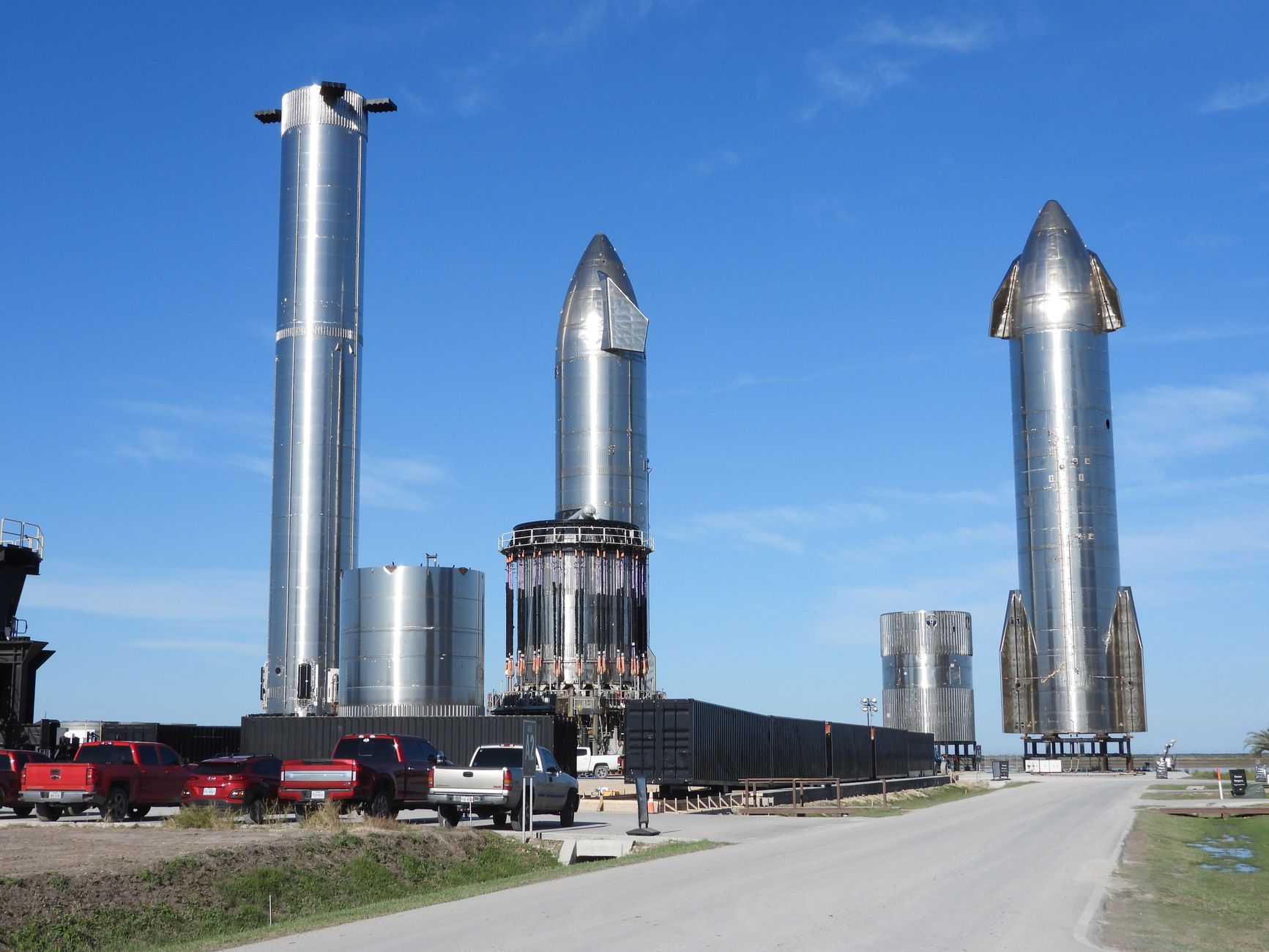
The SpaceX Starship launch was an ambitious 22-hour flight test that ultimately faced challenges. The booster ‘chopsticks’ catch failed, leading to an aborted mission.
Overview of the SpaceX Starship launch
The recent SpaceX Starship launch marked another ambitious attempt in the company’s ongoing efforts to revolutionize space travel. This test, known as Flight 15, aimed to demonstrate the capabilities of the Starship system over a 22-hour period. Despite the extensive planning and execution, the mission faced significant challenges that ultimately led to an abort of the booster catch mechanism.
As part of the test, SpaceX attempted to utilize its unique ‘chopsticks’ system designed to catch the Super Heavy booster upon its return. However, the operation did not go as planned, resulting in a failure that has been described by many experts as the worst test yet for the Starship program. The failure raised questions about the reliability of the catch system and the overall success of the mission.
- The launch was initially successful, reaching its designated altitude.
- Technical issues emerged during the descent phase, leading to the abort.
- SpaceX is expected to analyze data from this test to improve future launches.
Despite the setback, the SpaceX Starship launch remains a critical stepping stone in the pursuit of reusable rocket technology and interplanetary travel, showcasing both the challenges and potential of modern aerospace engineering.
Details of the 22-hour flight test
On the recent SpaceX Starship launch, the 22-hour flight test marked a significant yet challenging milestone for the ambitious spacecraft program. The test aimed to evaluate various systems and procedures in a real-world environment, providing crucial data for future missions.
The flight began with a successful liftoff from the launch pad, propelling the Starship into the atmosphere. During its ascent, several key parameters were monitored, including fuel efficiency and trajectory stability. However, the mission’s most critical moment came during the booster catch attempt, where the company’s newly designed ‘chopsticks’ system was utilized.
Unfortunately, the catch did not go as planned. The booster, which was intended to be captured by the massive arms, missed its target, leading to an abrupt abort of the operation. This mishap has been deemed the worst test yet for the Starship program, despite the overall flight demonstrating several operational capabilities.
SpaceX engineers are now analyzing the data collected during the flight to understand the failure and enhance the design of the catch system. The company remains committed to refining the technology, as the successful implementation of the booster catch is vital for future Starship launches.
- Launch details and objectives
- Flight duration and trajectory
- Booster catch challenges
Challenges faced during the mission
The recent SpaceX Starship launch faced a series of significant challenges that marred what was expected to be a groundbreaking test. Despite the ambitious goals set for the 22-hour flight, the mission encountered critical issues that ultimately impacted its success.
One of the most notable difficulties was the failure of the booster catch system, which SpaceX had designed to recover the massive booster using a set of ‘chopsticks.’ This innovative method was intended to reduce costs and enhance reusability. However, during the launch, the chopsticks failed to successfully capture the booster upon its return, resulting in an uncontrolled landing that left engineers reviewing telemetry data for insights.
In addition to the catch failure, the mission faced other obstacles:
- Technical Malfunctions: Various systems onboard exhibited unexpected behaviors, complicating the flight test and requiring rapid adjustments.
- Environmental Conditions: Weather played a role, with high winds affecting the booster’s trajectory during descent.
- Timing Issues: Coordination between different teams was hampered, leading to delays in critical decision-making moments.
These challenges highlight the complexities involved in the SpaceX Starship launch efforts, as the company pushes boundaries in space exploration and technology.
Analysis of the booster catch failure
The recent SpaceX Starship launch has faced significant scrutiny following the failure of the booster catch attempt, which has been described as one of the worst tests yet for the aerospace company. During the ambitious 22-hour Flight 15 test, the innovative ‘chopsticks’ system, designed to catch the booster as it descended, did not operate as intended. This failure raises important questions about the reliability of the technology employed and the overall preparedness for future missions.
Several factors contributed to this setback:
- Technical Malfunctions: Initial reports indicate that issues with the sensors and control systems may have hindered the catch mechanism’s performance.
- Environmental Conditions: Unfavorable weather and wind conditions may have complicated the booster’s landing trajectory, impacting the catch attempt.
- Operational Readiness: Critics argue that the team may not have been fully prepared for the complexities of the operation, leading to execution errors.
Despite this failure, many experts remain optimistic about SpaceX’s future endeavors. SpaceX’s commitment to iterative testing allows for quick modifications and improvements based on findings from each launch. Learning from the booster catch failure will be critical as the company moves forward with plans for the next Starship launch.
Future implications for SpaceX
The recent SpaceX Starship launch has raised concerns about the future of the program, particularly following the booster catch failure. As the company aims to revolutionize space travel, setbacks like this could impact timelines and project goals.
Industry experts are analyzing what this failure means for SpaceX’s ambitious plans. Key implications include:
- Timeline Delays: The inability to successfully catch the booster may result in postponed future launches, as the team works to address the technical issues identified during the test.
- Increased Scrutiny: Regulatory bodies and stakeholders might increase their scrutiny of SpaceX’s testing processes, urging the company to ensure safety and reliability before proceeding with crewed missions.
- Resource Allocation: SpaceX may have to redirect resources to improve the booster catch system, potentially affecting other projects and timelines within the company.
- Innovation Pressures: As competition in the aerospace industry heats up, SpaceX will feel pressure to innovate quickly while maintaining safety standards, balancing the need for speed with thorough testing.
Ultimately, the SpaceX Starship launch experience serves as a reminder of the complexities involved in space exploration, where each test is a step toward mastering the technology necessary for future missions to the Moon, Mars, and beyond.
Expert opinions on the launch outcome
Experts have weighed in on the recent SpaceX Starship launch, which has been described as the worst test yet due to the booster catch failure. Many analysts highlight that while the overall flight test showcased significant advancements, the inability to successfully catch the booster using the “chopsticks” mechanism raises concerns about the future of the program.
Dr. Emily Carter, an aerospace engineer, stated, “The booster catch was a critical component for SpaceX’s recovery system. This failure could significantly delay future missions.” She emphasized that the technology is still in its experimental phase, and setbacks are part of the development process.
Conversely, some industry insiders believe that the launch itself was a success in terms of data collection. John Ramirez, a former NASA engineer, noted, “Even with the failure, SpaceX gathered valuable information that can help refine their designs. Each test is a step forward.” He pointed out that learning from mistakes is essential in aerospace development.
Overall, the mixed reactions reflect a broader sentiment in the space community. While the SpaceX Starship launch faced significant challenges, many are hopeful that these lessons will pave the way for more successful future missions.
The recent SpaceX Starship launch has raised concerns among engineers regarding the reliability of the booster recovery system. Observers noted that this SpaceX Starship launch marked the worst test yet, highlighting the challenges the company faces in perfecting its technology.
Photo by Ocean Camera Space Corp. on Pexels
Sources
tvOS 27.2.1 Update: Best Siri AI Features for Older Apple TVs · Africa Startup Funding: Best Proven Strategies for Success · Jio 5G plan: Best Unlimited Calls and Data Offer Ever




Leave a Reply