
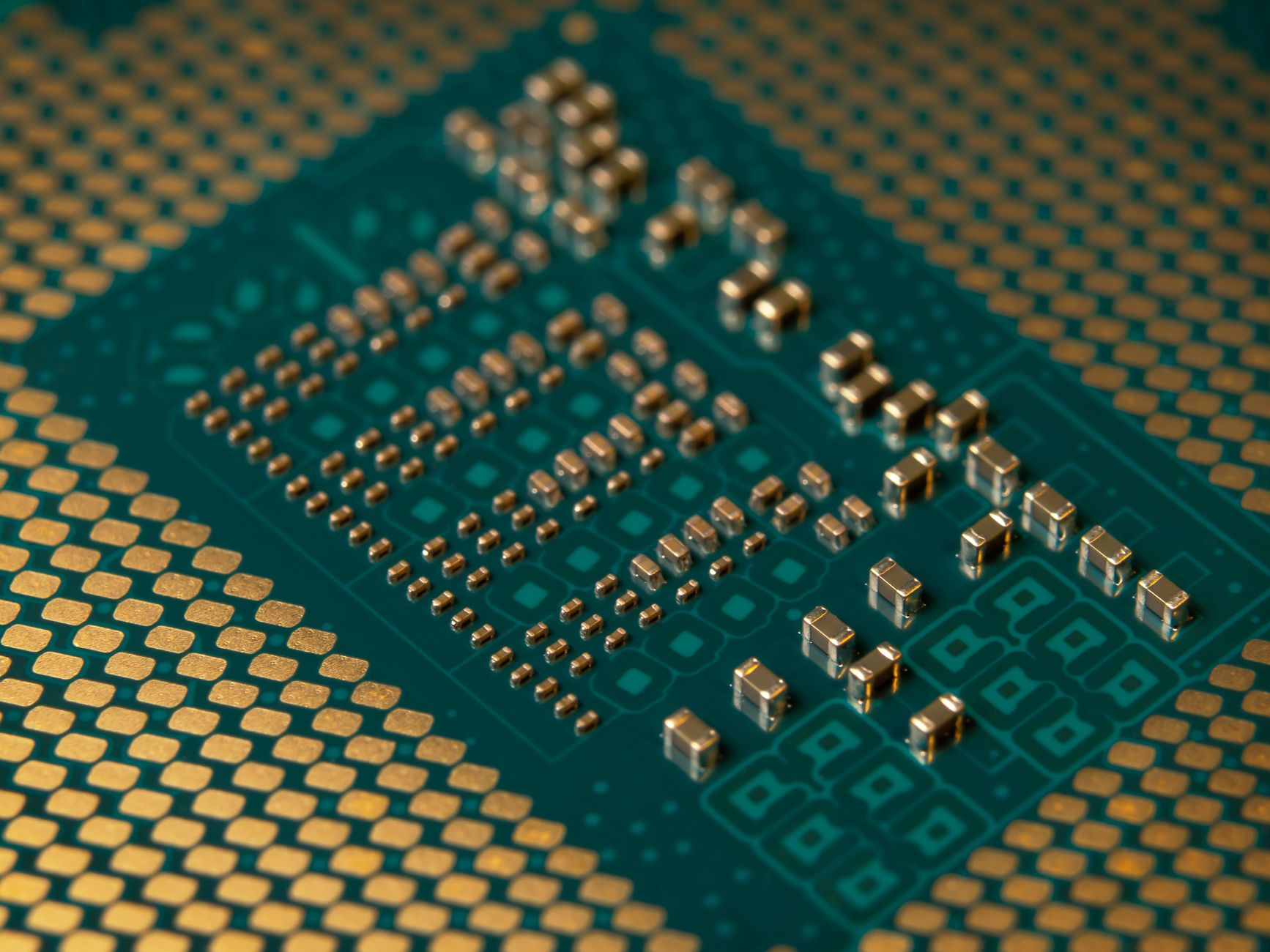
Korean semiconductor engineer accuses Tesla of unfair practices in the AI chip market. The allegations highlight significant tensions between major tech players like Tesla and Samsung.
Overview of the Allegations
A recent controversy has emerged involving a Korean semiconductor engineer who has accused Tesla of unfair practices in its dealings over AI chip technology. The allegations center around claims that Tesla has been pressuring Samsung, a leading semiconductor manufacturer, to secure more favorable terms in their contracts, effectively squeezing the company to meet its demands.
Furthermore, the engineer contends that Tesla has been engaging in talent poaching, actively recruiting skilled professionals from Samsung. This, according to the allegations, not only undermines Samsung’s workforce but also raises ethical questions about competition in the semiconductor industry.
The semiconductor engineer, whose identity remains confidential, has stated that these practices could have serious implications for both Samsung’s operations and the broader market. As Tesla continues to expand its focus on AI technologies, the tensions between the electric vehicle manufacturer and major semiconductor firms could escalate, potentially leading to legal battles and further scrutiny of Tesla’s business practices.
Observers are watching closely as the situation develops, questioning the impact on the semiconductor supply chain and innovation.
Impact on Samsung and Tesla
The ongoing dispute between a Korean semiconductor engineer and Tesla has raised questions about the implications for both Samsung and Tesla. The allegations point to a concerning trend where Tesla may be undermining Samsung’s competitive edge in the semiconductor market.
Industry experts are particularly worried about the potential fallout for Samsung, a leader in semiconductor manufacturing. If Tesla is indeed pressuring Samsung over favorable AI chip deals, it could lead to a significant shift in market dynamics. Analysts suggest that this could result in:
- Reduced Innovation: A decline in investment in research and development at Samsung, as resources are diverted to meet Tesla’s demands.
- Talent Drain: The poaching of skilled engineers, including those specialized in AI and semiconductor technology, could severely impact Samsung’s workforce.
- Long-term Partnerships: Strained relationships between major players in the industry may emerge, affecting future collaborations.
As the situation unfolds, the role of the Korean semiconductor engineer in bringing these accusations to light is critical in determining the future of both companies.
The Future of AI Chip Deals
The ongoing debate surrounding AI chip deals has raised significant questions about the future of partnerships between tech giants and semiconductor manufacturers. A prominent Korean semiconductor engineer has voiced concerns over Tesla’s approach, suggesting that the company may be undermining the collaborative spirit necessary for innovation.
Experts believe that the relationship between automotive and semiconductor industries is crucial, particularly as the demand for advanced AI technologies grows. If Tesla continues to exert pressure on companies like Samsung, the implications could be far-reaching.
- Potential disruption in supply chains could lead to delays in product development.
- Increased competition for talent might result in a talent drain from established firms to tech companies.
- The overall innovation landscape could be stifled if key players are unable to collaborate effectively.
As the situation unfolds, the role of the Korean semiconductor engineer will be pivotal in navigating these challenges. The industry will need to adapt quickly to ensure that innovation thrives amidst growing tensions.
Expert Opinions on the Matter
In light of the recent allegations, industry experts have weighed in on the situation involving the Korean semiconductor engineer and Tesla. Many believe that the accusations highlight a larger issue within the semiconductor industry, where companies are increasingly competing for top talent and technological advancements.
One expert noted, “The fierce competition for innovative chip designs has led to aggressive tactics by major players, including Tesla.” This sentiment was echoed by several analysts who pointed out that Tesla’s approach could have significant implications for Samsung and other semiconductor manufacturers.
Another engineer emphasized, “If these allegations are proven true, it raises ethical questions about how companies should engage in talent acquisition and partnerships.” The ongoing scrutiny is likely to impact not only the current relationships between these companies but also the broader landscape of AI chip development.
As the conversation continues, many are left wondering how the actions of the Korean semiconductor engineer may influence future collaborations and competition in this rapidly evolving market.
Photo by ed br on Pexels




Leave a Reply