
The open-weight AI model is making waves in the tech community as Reflection debuts a new solution to rival Chinese models.
What is the Beam AI Model?
The Beam AI model is a cutting-edge open-weight AI model developed by Reflection, aimed at providing a robust alternative to existing Chinese models. This innovative model is designed to operate efficiently while maintaining high performance, making it a compelling choice for various applications.
One of the key features of the Beam AI model is its open-weight architecture, which allows developers and researchers to access and modify the model freely. This openness fosters collaboration and accelerates advancements in artificial intelligence, empowering users to tailor the model to their specific needs.
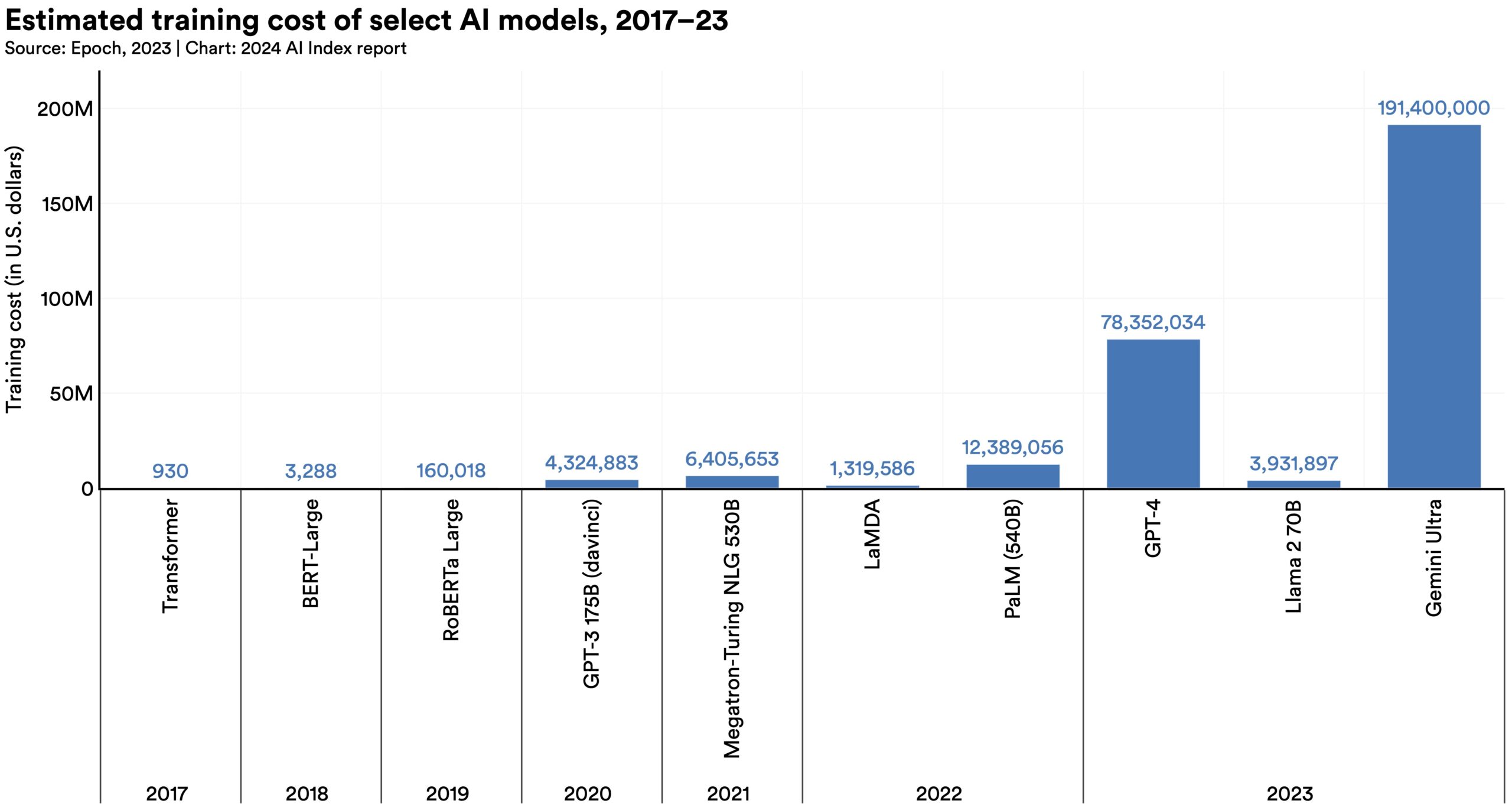
Additionally, the Beam AI model boasts a significantly lower compute cost compared to its competitors. This affordability makes it accessible for startups and smaller organizations that may not have the resources to invest in more expensive AI solutions. The combination of performance and cost-effectiveness positions the Beam AI model as a leader in the open-weight category.
With its impressive capabilities and user-friendly design, the Beam AI model is set to transform the landscape of AI development, offering a viable alternative for those seeking powerful yet affordable AI solutions.
How Beam Compares to Chinese Models
In recent discussions about the advancements in artificial intelligence, the open-weight AI model, Beam, has emerged as a significant contender against established Chinese models. While Chinese AI systems have dominated the market, Beam offers a compelling alternative with its focus on accessibility and efficiency.
One of the key advantages of Beam lies in its lower compute cost, making it more feasible for businesses and developers to implement. This aspect is particularly vital for startups and smaller organizations that may find the resources required for Chinese models prohibitive.
When comparing the performance of Beam with its Chinese counterparts, several factors come into play:
- Scalability: Beam’s architecture allows for easier scaling, accommodating various workloads.
- Transparency: The open-weight nature of Beam promotes transparency in AI development, fostering trust among users.
- Community Support: With an open-weight AI model, developers can collaborate and contribute to improvements, enhancing the overall efficacy of the technology.
Ultimately, Beam’s innovative approach positions it as a robust alternative in the ever-evolving landscape of artificial intelligence.
Benefits of Using Open-weight AI Models
The adoption of open-weight AI models presents numerous advantages for developers and organizations alike. One of the main benefits is the cost efficiency associated with these models. By leveraging open-weight architectures, organizations can reduce their computational expenses significantly compared to proprietary systems.
Another critical benefit is accessibility. Open-weight AI models allow developers to experiment and innovate without the constraints typically imposed by closed systems. This fosters a more collaborative environment where advancements can be shared and refined collectively.
Additionally, open-weight models often come with extensive documentation and community support, making it easier for newcomers to get up to speed. This aspect can lead to an accelerated development cycle, as teams can build upon existing frameworks rather than starting from scratch.
Furthermore, the transparency of open-weight AI models enhances trust and reliability in AI applications. Organizations can analyze the underlying algorithms and make informed decisions about implementation. As a result, the open-weight AI model is becoming a preferred choice for those seeking a proven alternative in the rapidly evolving tech landscape.
Future of AI Development and Competition
The future of AI development is increasingly leaning towards open-weight AI models, which promise to democratize access to advanced technology. As the competition intensifies, more companies are recognizing the advantages of adopting this approach. Open-weight models, like the newly introduced Beam, allow developers to customize their algorithms without the heavy costs typically associated with proprietary systems.
One key factor driving this shift is the growing demand for transparency in AI. Stakeholders are increasingly concerned about the ethical implications of closed models that operate without scrutiny. Open-weight AI models promote collaboration and innovation, enabling researchers and developers to build upon existing frameworks.
Furthermore, the competitive landscape is evolving, particularly with the rise of international models. Companies that leverage open-weight architectures can adapt swiftly to market changes, ensuring they remain relevant in a fast-paced environment. This adaptability is especially crucial as industries seek to harness AI for various applications, from healthcare to finance.
As the industry matures, it is evident that open-weight AI models represent a pivotal shift, providing a robust and cost-effective alternative to traditional proprietary systems while fostering a culture of collaboration and open innovation.
The open-weight AI model offers unparalleled flexibility and adaptability for various applications. As researchers continue to explore its potential, the open-weight AI model is the best proven alternative for achieving superior performance in complex tasks.
By Stanford Institute for Human-Centered Artificial Intelligence (permission obtained by email from the AI index research manager) via Openverse
Sources
techcrunch.com · Open-weight model
Google Pixel 11 price drop: Huge savings ahead of festival · Google Fitbit Edge: The Best Smartwatch with Proven Features · Sputnik Launch Impact: The Right Moment for Space Exploration







Leave a Reply