

Delta Amazon satellite Wi-Fi is under scrutiny following a significant rocket failure that jeopardizes its future. This gamble on advanced technology may have serious implications for the airline’s connectivity plans.
Overview of Delta’s Satellite Wi-Fi Plans
Delta Airlines has made a significant investment in enhancing its in-flight connectivity by partnering with Amazon to implement satellite Wi-Fi technology. This initiative is designed to provide passengers with faster and more reliable internet access during flights, leveraging Amazon’s satellite capabilities. However, recent developments have raised concerns about the viability of this ambitious project.
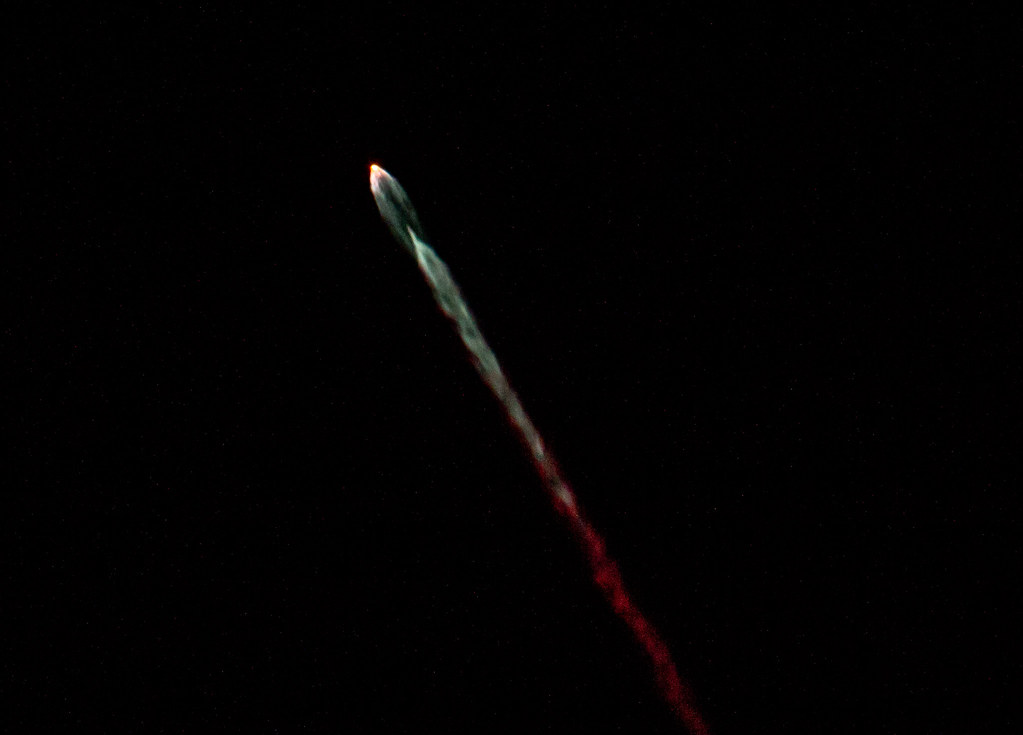
After a major rocket failure that was intended to launch Amazon’s satellites, Delta’s plans for the satellite Wi-Fi have come under scrutiny. The setback has left many questioning whether the technology will be available as scheduled. The airline has positioned the Delta Amazon satellite Wi-Fi as a cornerstone of its future strategy, aiming to improve customer experience and attract more travelers.
Despite the potential benefits, several challenges loom large:
- Technical Delays: The failure has created uncertainty about the timeline for deployment.
- Investment Risks: Delta’s substantial financial commitment may not yield the expected returns if the project falters.
- Competitive Landscape: Rivals may capitalize on these delays to enhance their own connectivity offerings.
As Delta navigates these challenges, the fate of its satellite Wi-Fi plans remains uncertain.
The Role of Amazon in Satellite Technology
Amazon has emerged as a pivotal player in the realm of satellite technology, particularly with its ambitious project to enhance connectivity through satellite networks. The company’s investment in this domain has garnered significant attention, especially following Delta’s partnership aimed at providing Delta Amazon satellite Wi-Fi services to its passengers.
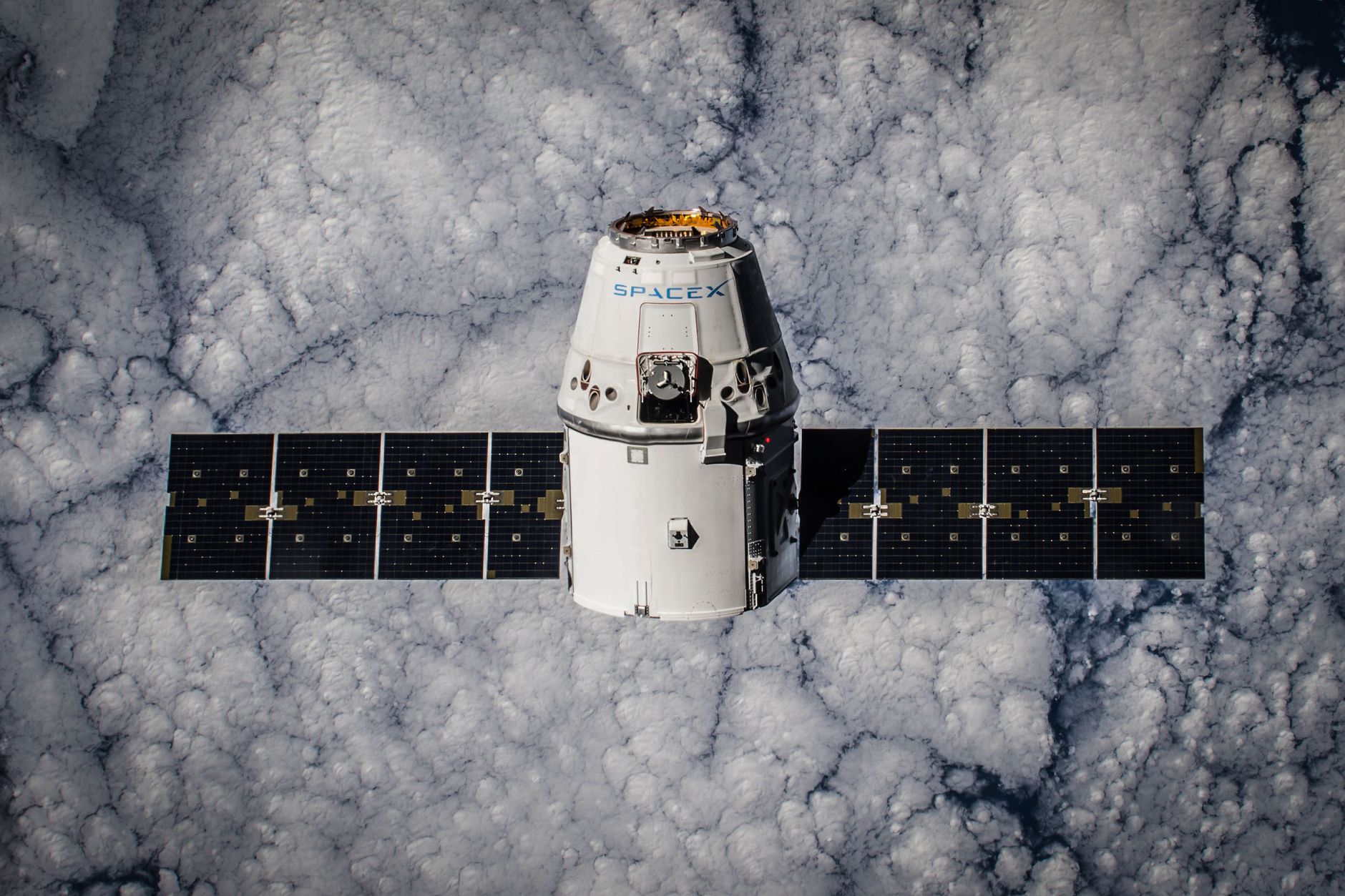
Amazon’s approach focuses on deploying a constellation of low Earth orbit (LEO) satellites, a strategy designed to deliver high-speed internet access even in remote areas. This technology promises to revolutionize air travel connectivity, allowing airlines like Delta to offer seamless in-flight internet services. However, the recent setbacks, notably the rocket failure that hampered Amazon’s satellite launch schedule, have raised concerns over the reliability of this initiative.
The implications of such failures extend beyond technological challenges; they also jeopardize business partnerships and future revenue streams. Airlines, dependent on innovative technologies to enhance customer experience, may find themselves navigating uncertain waters. As Delta’s ambitious plans hinge on Amazon’s satellite capabilities, the recent developments underscore a critical risk in a venture that was already seen as a gamble.
- Amazon’s satellite network aims to provide global coverage.
- Recent rocket failures have delayed deployment timelines.
- Delta’s success relies heavily on these technological advancements.
Impact of Rocket Failures on Space Initiatives
The recent rocket failures have cast a long shadow over Delta’s ambitious plans for Amazon satellite Wi-Fi. As the company aimed to revolutionize connectivity, these setbacks raise significant questions about the viability of their initiatives.
Rocket failures can lead to a cascade of consequences that affect not only the immediate mission but also future projects. The repercussions include:
- Financial Strain: Each failed launch incurs substantial costs, diverting funds away from research and development.
- Delay in Deployment: Setbacks in launch schedules can lead to prolonged timelines for the rollout of satellite services.
- Investor Confidence: Frequent failures may diminish investor trust, complicating efforts to secure necessary financial backing for ongoing projects.
- Technological Reassessment: Companies may need to revisit their technology choices and partnerships, potentially impacting the collaboration with Amazon.
The combination of these factors creates a challenging environment for Delta as it attempts to navigate the turbulent waters of space initiatives. With the stakes higher than ever, the reliance on Amazon satellite Wi-Fi appears increasingly precarious following these rocket failures.
Future of Airline Connectivity
The future of airline connectivity is increasingly intertwined with advancements in satellite technology, particularly with initiatives like Delta Amazon satellite Wi-Fi. This ambitious project aimed to enhance in-flight internet services by leveraging innovative satellite systems. However, recent rocket failures have cast a shadow over these plans, raising concerns about the reliability of the technology and its implementation.
As airlines look to improve passenger experience, the dependence on satellite connectivity becomes more pronounced. The potential for high-speed internet at 30,000 feet is enticing, yet the setbacks in rocket launches present significant challenges. With each failure, the timeline for deployment stretches further, leaving airlines to reconsider their strategies.
Moreover, the economic implications of such delays cannot be ignored. Airlines, including Delta, have invested heavily in partnerships with tech giants like Amazon, hoping to revolutionize their services. Yet, with uncertainty looming over satellite launches, these investments may not yield quick returns as anticipated.
In this evolving landscape, airlines must balance innovation with risk management. The success of Delta Amazon satellite Wi-Fi hinges not only on the technology but also on the assurance that the underlying infrastructure will be robust and reliable.
Comparative Analysis of Satellite Providers
In the rapidly evolving landscape of satellite communications, comparing providers is essential for understanding Delta’s gamble with Amazon satellite Wi-Fi. While Delta’s partnership with Amazon aims to enhance in-flight connectivity, the challenges faced by satellite providers cannot be overlooked.
- Starlink: A frontrunner in the satellite internet space, Starlink has established a robust network of low Earth orbit satellites. Its service is characterized by high speeds and low latency, making it a popular choice among consumers and businesses alike.
- OneWeb: Focused on global connectivity, OneWeb aims to provide internet access in remote areas. However, it has faced setbacks similar to those experienced by Amazon’s initiatives, including financial difficulties and launch delays.
- Amazon’s Project Kuiper: Although still in development, Project Kuiper promises to deliver a competitive edge with its planned constellation. Yet, the recent rocket failure raises doubts about its reliability and timeline.
As Delta integrates Amazon satellite Wi-Fi into its operations, the risks associated with relying on a provider that has faced significant hurdles become more apparent. The comparative stability of other providers could influence passenger expectations and satisfaction in the coming years.
Expert Opinions on the Gamble
Experts have expressed mixed opinions on Delta’s decision to partner with Amazon for satellite Wi-Fi services, especially following the recent rocket failure that has put the initiative at risk. Many industry analysts view this collaboration as a bold yet precarious gamble.
- Dr. Emily Thompson, a space technology analyst, commented, “Delta’s reliance on Amazon satellite Wi-Fi could redefine in-flight connectivity, but the recent setback raises legitimate concerns about reliability and timing.”
- Mark Reynolds, an aerospace expert, believes that while satellite technology offers promising advancements, “the unpredictability of rocket launches adds a layer of risk that airlines cannot afford to overlook.”
- Linda Gomez, a telecommunications consultant, stated, “With Delta betting big on Amazon’s satellite infrastructure, the potential for disruption is significant, especially after a major rocket failure that delays their plans.”
As airlines increasingly seek to enhance passenger experience through innovative connectivity solutions, the stakes are high. The success of Delta’s Amazon satellite Wi-Fi initiative will depend not only on technological advancements but also on overcoming the challenges posed by the volatile nature of space exploration.
What This Means for Travelers
The recent setbacks in satellite technology have significant implications for travelers who rely on in-flight connectivity. With Delta’s ambitious plans to integrate Amazon satellite Wi-Fi into their services, passengers were looking forward to enhanced internet access during flights. However, the unpredictability surrounding rocket failures raises questions about the reliability of this technology.
Travelers can expect the following outcomes as Delta navigates this challenging landscape:
- Delayed Rollout: With the current uncertainty in satellite deployment, the introduction of Delta Amazon satellite Wi-Fi may face significant delays, leading to extended waiting periods for travelers.
- Variable Connectivity: Depending on the success of future launches, the quality and speed of internet services may fluctuate, potentially disappointing passengers who anticipated high-speed access.
- Increased Costs: As Delta recalibrates its strategies post-failure, there may be a rise in ticket prices to cover the unexpected expenses associated with satellite technology implementation.
- Alternatives Considered: Travelers might need to look for alternative airlines that offer more reliable in-flight Wi-Fi options, which could shift loyalty away from Delta.
As a result, the gamble on Delta Amazon satellite Wi-Fi might leave travelers in a state of uncertainty, affecting their overall flying experience.
The recent setbacks have caused many to question the viability of Delta Amazon satellite Wi-Fi. Despite the challenges, the company remains optimistic about its potential to revolutionize connectivity.
Photo by Jakub Zerdzicki on Pexels








Leave a Reply