
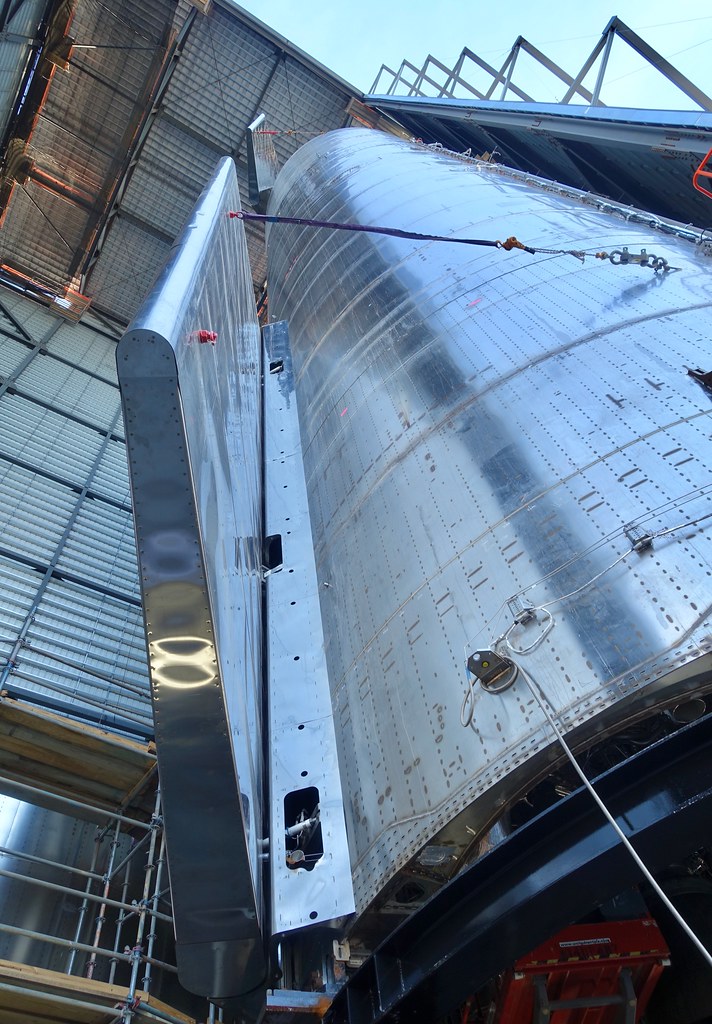
SpaceX Starship successfully deployed 26 Starlink V3 satellites, showcasing its capabilities in satellite technology and paving the way for future missions.
Overview of SpaceX Starship
The SpaceX Starship has emerged as a pivotal player in satellite deployment, showcasing its capabilities through successful missions. Recently, the spacecraft achieved a significant milestone by deploying 26 Starlink V3 satellites into orbit, enhancing global internet coverage and connectivity.
This accomplishment not only underscores the operational efficiency of the Starship but also highlights SpaceX’s commitment to expanding its satellite constellation. The Starship’s reusable design allows for cost-effective launches, positioning it as a viable option for various missions beyond Earth.
Looking ahead, SpaceX is eyeing ambitious projects, including potential human inter-planetary missions. The success of the Starship in deploying satellites plays a crucial role in establishing the infrastructure necessary for deeper space exploration.
As the technology continues to evolve, the SpaceX Starship could redefine the future of space travel and satellite deployment, promising a new era of accessibility and exploration in the cosmos.
Recent Satellite Deployments
In recent events, the SpaceX Starship has once again proven its reliability by successfully deploying 26 Starlink V3 satellites into orbit. This achievement not only highlights the vehicle’s capabilities but also reinforces its status as a leading option for satellite deployment in the commercial space industry.
The launch, which took place earlier this month, marks a significant milestone for SpaceX as it continues to expand its satellite constellation. The Starlink V3 satellites are designed to provide enhanced internet coverage and improved performance for users worldwide.
Looking ahead, SpaceX has ambitious plans for the Starship, with potential human missions to interplanetary destinations on the horizon. This could revolutionize space travel and exploration, making the SpaceX Starship a central player in future missions beyond Earth.
As the company continues to innovate and push the boundaries of technology, stakeholders eagerly await updates on upcoming launches and further developments in satellite deployment strategies.
Impact of Starlink V3
The recent deployment of 26 Starlink V3 satellites using the SpaceX Starship marks a significant milestone in satellite technology and broadband access worldwide. This successful launch demonstrates the reliability of the SpaceX Starship for complex operations, reinforcing its position as a leader in the aerospace industry.
With the Starlink V3 satellites, SpaceX aims to enhance internet connectivity, particularly in underserved regions. The new generation of satellites promises improved bandwidth and latency, providing users with a more robust and reliable internet experience.
Moreover, the deployment has broader implications for global communication infrastructure. As more satellites are launched, they will contribute to a more interconnected world, enabling advancements in various fields such as education, healthcare, and commerce.
In addition to bolstering internet services, this successful deployment paves the way for future missions. SpaceX’s vision includes not only enhancing satellite networks but also preparing for human inter-planetary travel, making the SpaceX Starship a cornerstone of their ambitious plans.
Future of Inter-Planetary Missions
The future of inter-planetary missions is becoming increasingly promising with the advancements of the SpaceX Starship. As the spacecraft continues to demonstrate its capabilities in launching satellites, its potential for deeper space exploration is being recognized by both scientists and space enthusiasts.
Recently, the successful deployment of 26 Starlink V3 satellites showcased the Starship’s reliability and efficiency, paving the way for more ambitious projects. SpaceX aims to leverage this technology for future missions that could take humans to Mars and beyond.
Key factors that highlight the importance of the SpaceX Starship in inter-planetary exploration include:
- Reusable Technology: The Starship’s design allows for multiple uses, significantly reducing costs.
- Payload Capacity: With the ability to carry large payloads, it can transport essential equipment for long-duration missions.
- Innovative Life Support Systems: Advances in life support technology will enhance human survival during extended space travel.
As preparations for these inter-planetary missions continue, the SpaceX Starship stands at the forefront of humanity’s quest to explore the cosmos.
Technological Innovations in SpaceX
SpaceX has made significant strides in technological innovations that enhance the capabilities of its flagship vehicle, the SpaceX Starship. This advanced spacecraft is designed to be fully reusable, allowing for multiple launches at a fraction of the cost of traditional rockets. Its innovative design incorporates features such as:
- Refinement in Propulsion Systems: The Raptor engines are optimized for efficiency and power, enabling the Starship to achieve unprecedented thrust.
- Increased Payload Capacity: The Starship can carry a larger number of satellites or cargo, making it ideal for missions like the recent deployment of 26 Starlink V3 satellites.
- Thermal Protection: With improved heat shielding, the spacecraft can withstand the intense conditions of re-entry, ensuring safety for both payloads and potential crewed missions.
- Modular Design: The ability to customize configurations for different missions allows for versatility in operations.
These technological advancements position the SpaceX Starship as a leader in satellite deployment and pave the way for future exploration beyond Earth.
Challenges Ahead for SpaceX
Despite the recent success of the SpaceX Starship in deploying 26 Starlink V3 satellites, the company faces several challenges ahead. As they aim for more ambitious inter-planetary missions, these obstacles must be addressed.
Key challenges include:
- Regulatory Hurdles: SpaceX must navigate complex regulations set by various aviation and space authorities to ensure compliance during launches.
- Technical Reliability: While the Starship has proven its capabilities, achieving consistent reliability is crucial for future missions, especially those involving human passengers.
- Public Perception: As SpaceX pushes the boundaries of space travel, maintaining public trust and interest is essential for attracting investment and talent.
- Competition: Other private and government space programs are intensifying their efforts, making it vital for SpaceX to stay ahead in innovation and execution.
Addressing these challenges will be critical for the continued success of the SpaceX Starship and its role in the future of space exploration.
Conclusion and Future Prospects
In conclusion, the SpaceX Starship has emerged as a pivotal player in the realm of satellite deployment, demonstrating its capabilities through the successful launch of 26 Starlink V3 satellites. This achievement not only underscores the reliability of the Starship but also highlights its role in the broader context of global connectivity.
Looking ahead, the potential for inter-planetary missions adds an exciting layer to the future of space exploration. With plans to support human endeavors beyond Earth, SpaceX’s innovative approach may redefine our understanding of space travel and colonization.
However, several challenges remain, including regulatory hurdles and technical hurdles that need to be addressed. Nevertheless, with ongoing advancements and a track record of success, the SpaceX Starship is well-positioned to tackle these obstacles and continue to lead the charge in satellite deployment and exploration beyond our planet.
As we move forward, the industry will closely watch SpaceX’s next steps in harnessing this technology for both commercial and exploratory purposes.
By jurvetson via Openverse











Leave a Reply