
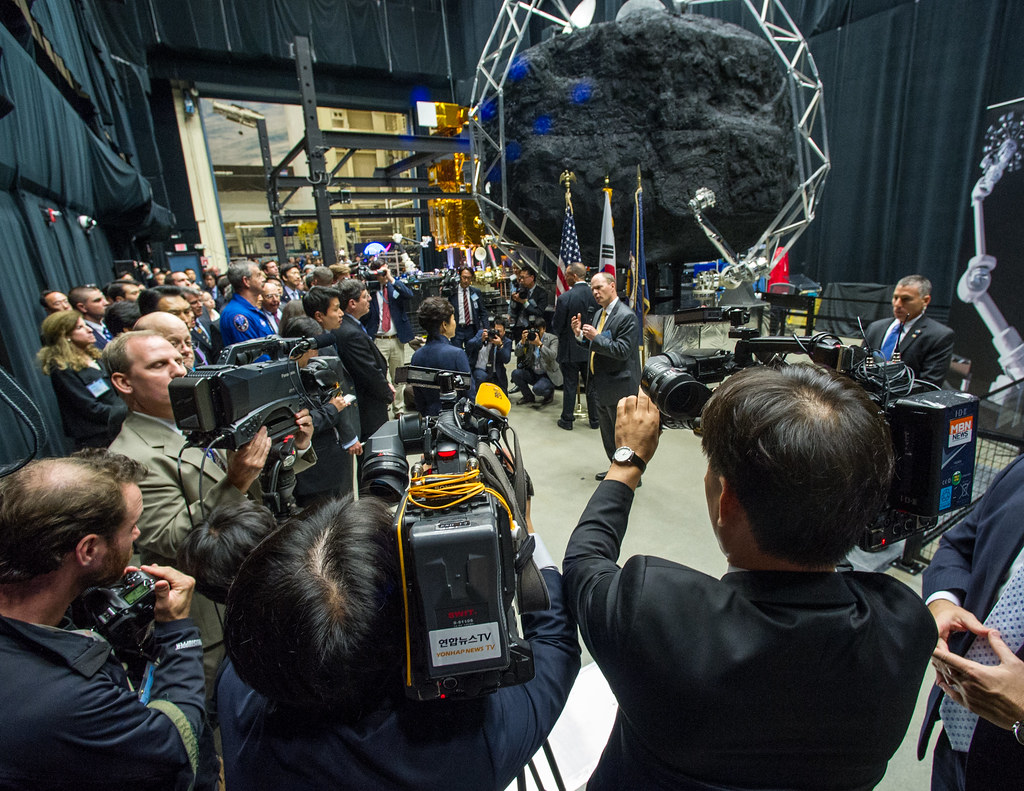
South Korea satellite mission has successfully launched five satellites, marking a significant achievement for the nation’s space program. This accomplishment highlights the country’s growing capabilities in space technology and its ambitions for commercial applications.
Overview of South Korea’s Nuri Mission
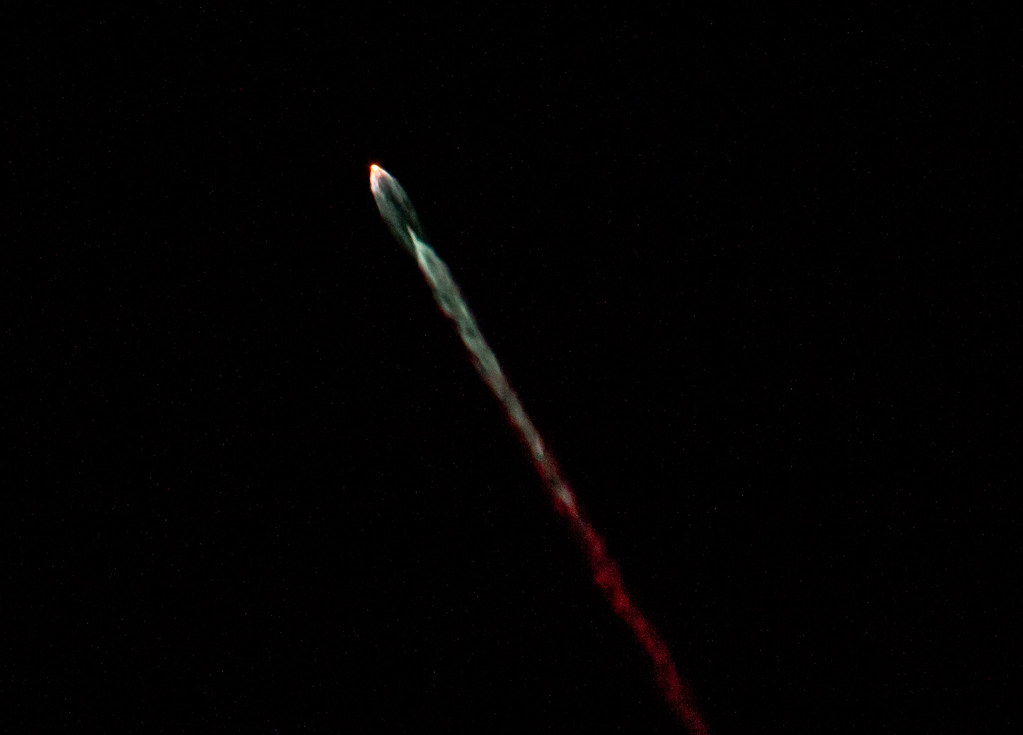
South Korea has made significant strides in its space endeavors with the recent success of its Nuri mission. This mission, which launched five satellites into orbit, showcases the country’s growing capabilities in satellite technology and space exploration. The Nuri rocket, developed by the Korea Aerospace Research Institute, is a testament to South Korea’s commitment to advancing its space program.
The Nuri satellite mission is a crucial step towards establishing South Korea as a competitive player in the global space industry. It aims not only to enhance national security through improved satellite communication and reconnaissance but also to foster commercial opportunities in satellite launches.
Key components of the Nuri mission’s success include:
- Technological Innovation: Utilizing cutting-edge technology to ensure reliable satellite deployment.
- Collaborative Efforts: Working with international partners to enhance expertise and resources.
- Future Goals: Expanding capabilities for potential commercial satellite launches.
With these initiatives, South Korea’s satellite mission is poised for a promising future.
Significance of the Five-Satellite Launch
The successful launch of five satellites during South Korea’s recent mission marks a significant milestone in the nation’s space exploration efforts. This accomplishment not only showcases South Korea’s growing capabilities in satellite technology but also paves the way for future advancements in various sectors.
One of the primary reasons this five-satellite launch is so crucial includes:
- Enhanced Communication: The satellites are designed to improve communication infrastructure, benefiting both urban and rural areas.
- Scientific Research: These satellites will facilitate data collection for environmental monitoring and disaster management.
- Commercial Prospects: The mission positions South Korea as a competitive player in the international satellite market, opening doors for commercial partnerships.
- Technological Advancement: The mission demonstrates the technological growth achieved through the Nuri Mission, setting a standard for future endeavors.
- National Pride: Successfully executing this mission fosters a sense of national pride and encourages further investment in South Korea’s space exploration initiatives.
Overall, the significance of this five-satellite launch extends beyond immediate benefits, as it signifies South Korea’s commitment to a thriving satellite mission program.
Future of Commercial Space in South Korea
The future of commercial space in South Korea looks promising following the success of the recent satellite mission. With the advancement of technologies and increased investments in the space sector, South Korea is positioning itself as a key player in the global space industry.
As part of its strategy, the government aims to foster innovation and encourage private sector participation in satellite development and launches. This is evident in the following initiatives:
- Investment in Research and Development: Increased funding for research institutions and private companies focused on space technologies.
- Public-Private Partnerships: Collaborations between the government and private companies to enhance satellite capabilities.
- International Collaborations: Engaging with global partners to share knowledge and expertise in satellite technology.
As the South Korea satellite mission demonstrates, the combination of governmental support and private innovation could lead to a vibrant commercial space ecosystem. The prospects for satellite launches, including potential commercial applications, are expanding rapidly.
Technological Innovations in Nuri
The South Korea satellite mission has marked a significant milestone with the technological innovations integrated into the Nuri rocket. These advancements are crucial for achieving the country’s ambitious goals in the space sector.
One of the standout features of the Nuri mission is its enhanced propulsion system, which improves efficiency and reliability. This new system allows the rocket to carry a greater payload, paving the way for future space endeavors.
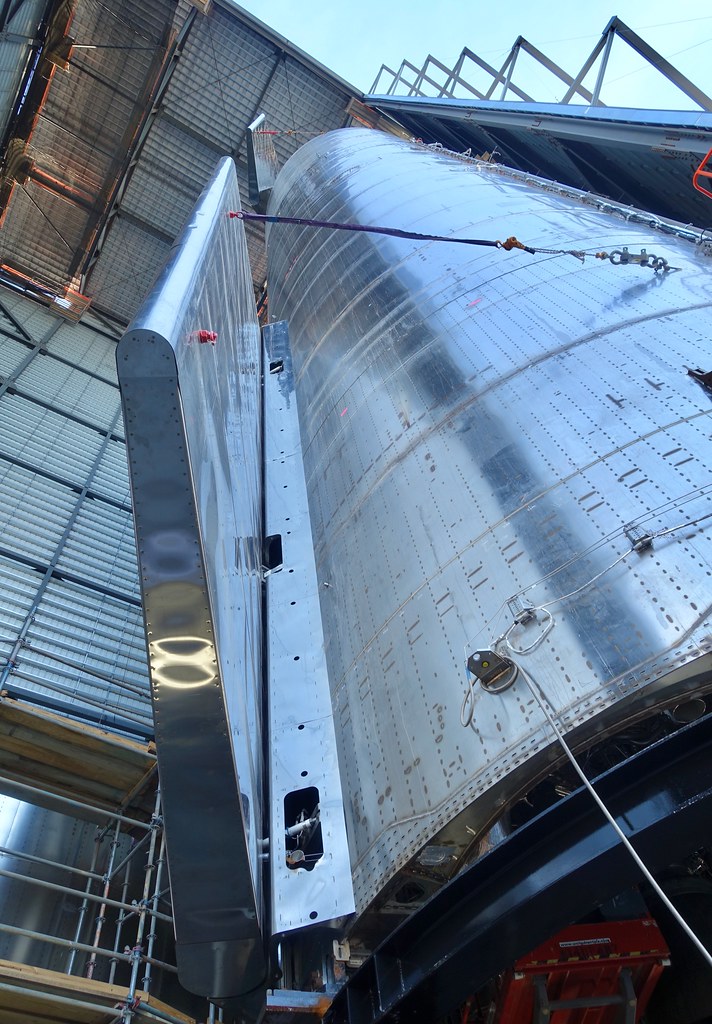
Additionally, the Nuri rocket employs cutting-edge materials that reduce weight without compromising structural integrity. This innovation plays a vital role in increasing the rocket’s performance during launch.
The mission also leverages advanced telemetry systems, providing real-time data that helps engineers monitor the rocket’s status throughout its flight. This capability not only ensures a successful launch but also contributes to ongoing improvements in South Korea’s aerospace technology.
As South Korea continues to develop its satellite capabilities, the lessons learned from the Nuri mission will be instrumental in shaping the future of commercial space exploration.
Challenges Faced by the Nuri Program
The Nuri program, South Korea’s satellite mission, has encountered several challenges that have tested the resilience and ingenuity of its engineers and scientists. These obstacles include:
- Technical Setbacks: Initial launches faced issues with propulsion systems, which required extensive troubleshooting and redesign efforts.
- Budget Constraints: Limited funding has impacted the pace of development, forcing teams to prioritize certain aspects of the mission over others.
- Regulatory Hurdles: Navigating international regulations regarding satellite launches has added another layer of complexity to the Nuri program.
- Public Expectations: The ambitious nature of the mission has created high expectations among stakeholders, necessitating meticulous planning and execution.
Despite these challenges, the Nuri program has made significant strides, showcasing South Korea’s commitment to advancing its capabilities in space exploration and establishing a foothold in the growing commercial space sector.
International Reactions to the Launch
In the wake of South Korea’s successful satellite mission, international reactions have highlighted the growing significance of the country’s advancements in space technology. Observers from various nations have expressed admiration for the Nuri rocket’s performance, emphasizing its potential to enhance South Korea’s position in the global space race.
Among the reactions, several key aspects have emerged:
- Global Collaboration: Many countries are eager to explore partnership opportunities with South Korea, recognizing the value of its emerging capabilities in satellite launches.
- Technological Innovation: Experts have praised the engineering behind the Nuri rocket, pointing out its advanced features that align with international standards.
- Commercial Prospects: The success of the satellite mission has prompted discussions about South Korea’s potential to enter the commercial space sector, with foreign investors showing interest.
Overall, the international community views South Korea’s satellite mission as a pivotal moment, heralding a new era of space exploration and collaboration.
Next Steps for South Korea’s Space Ambitions
As South Korea looks to build on the success of its recent satellite mission, several crucial next steps are necessary to advance its space ambitions further. The nation aims to enhance its capabilities in satellite technology and develop a robust infrastructure for future missions.
Key areas of focus include:
- Strengthening Partnerships: Collaborating with international space agencies could provide South Korea access to advanced technologies and expertise.
- Investment in Research: Increased funding for research and development will foster innovation within the country’s space sector.
- Establishing a Commercial Framework: Developing policies to support private sector involvement in satellite launches and services is essential for a sustainable commercial space environment.
- Public Engagement: Educating and involving the public will increase interest and support for space initiatives, promoting a culture of exploration.
By taking these steps, South Korea can ensure that its satellite mission not only meets current objectives but also paves the way for future endeavors in the global space landscape.
The South Korea satellite mission has demonstrated the importance of meticulous planning and international collaboration. By following the best proven steps for success, the South Korea satellite mission aims to enhance its technological capabilities and global standing.
By NASA Goddard Photo and Video via Openverse






Leave a Reply