

SpaceX Crew-13 has successfully docked with the ISS, showcasing NASA’s continued advancements in space exploration. This milestone highlights the collaboration between SpaceX and NASA in transporting astronauts to the International Space Station.
Overview of SpaceX Crew-13 Mission
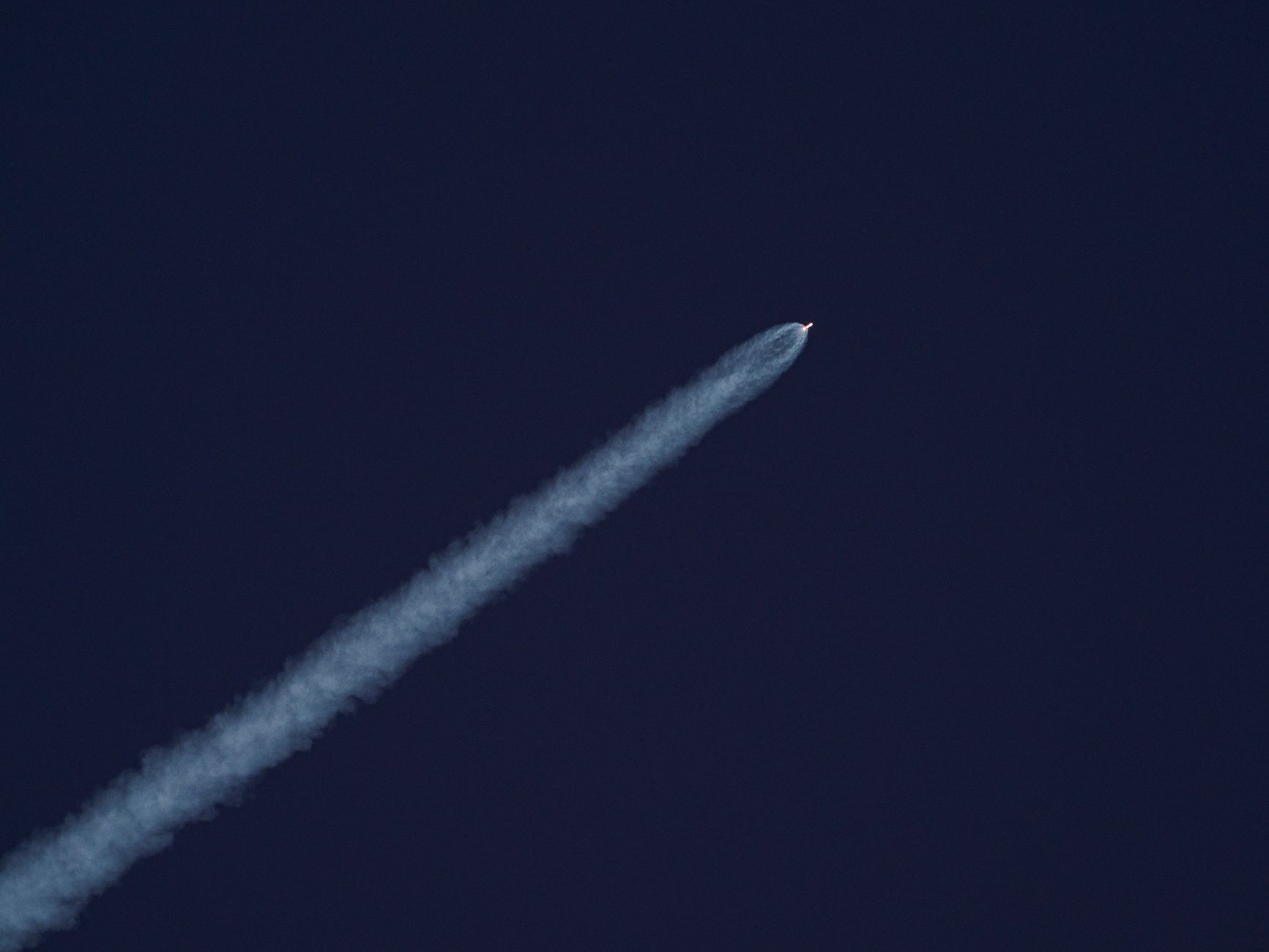
The SpaceX Crew-13 mission marks a significant achievement in NASA’s ongoing efforts to explore and utilize the International Space Station (ISS). Launched on November 10, 2021, this mission featured a crew of four astronauts, each bringing unique expertise and experience to the team. The mission’s primary objective was to transport astronauts safely to the ISS, where they would conduct a variety of scientific experiments and maintain the station’s operations.
Key highlights of the SpaceX Crew-13 mission include:
- Diverse Crew: The crew consisted of astronauts from NASA, ESA, and JAXA, showcasing international collaboration in space exploration.
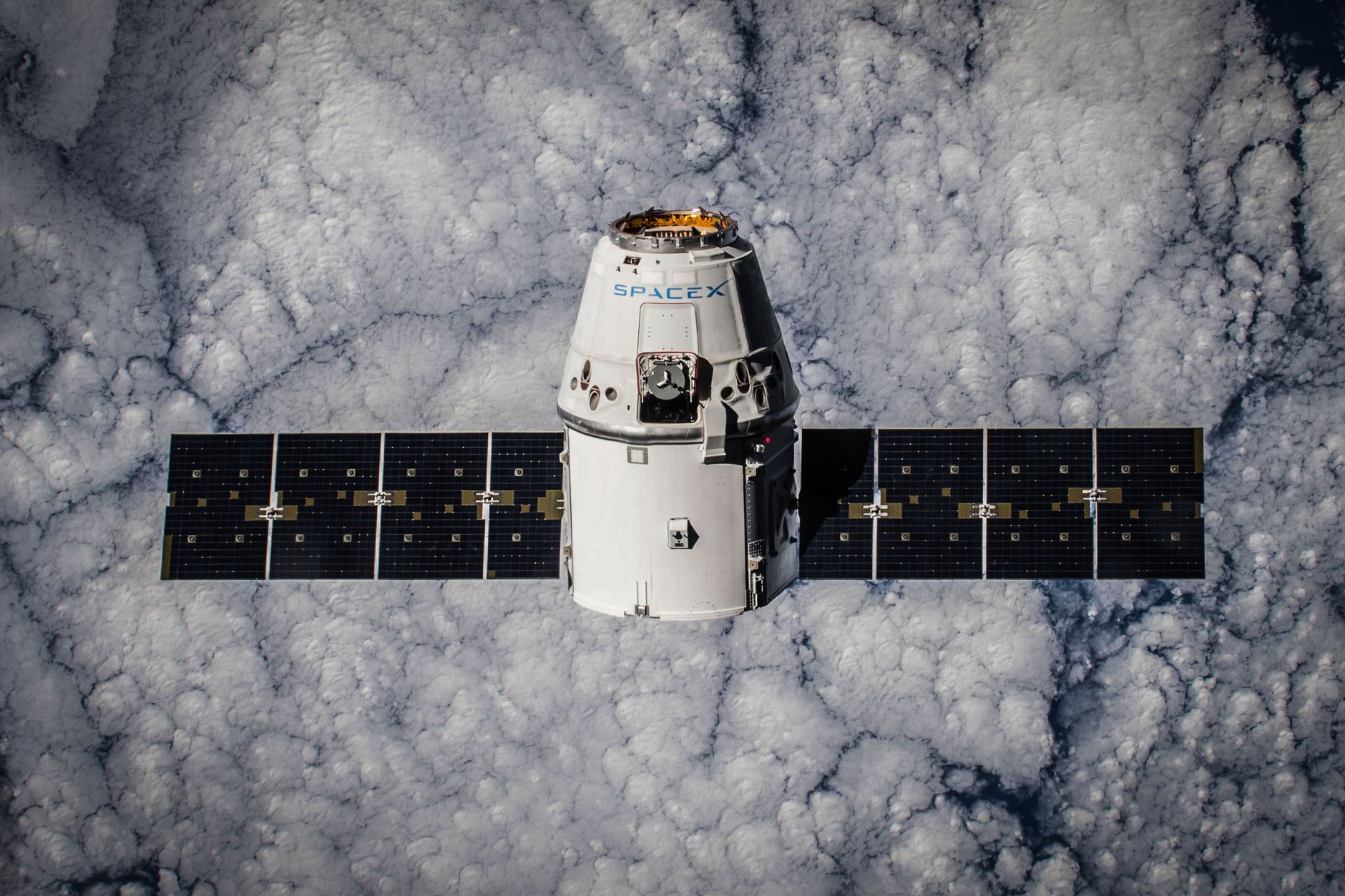
- Innovative Technology: Utilizing SpaceX’s Crew Dragon spacecraft, the mission demonstrated advancements in space travel technology, enhancing reliability and safety.
- Scientific Research: The astronauts engaged in more than 200 experiments during their time aboard the ISS, contributing valuable data to various fields, including biology and materials science.
- Successful Docking: The Crew-13 spacecraft docked at the ISS approximately 24 hours after launch, a testament to the precise planning and execution of the mission.
As SpaceX Crew-13 continues its journey, the mission stands as a pivotal moment in NASA’s history, highlighting the importance of public-private partnerships and the future of human spaceflight.
Significance of ISS Docking
The recent docking of SpaceX Crew-13 with the International Space Station (ISS) marks a significant milestone in NASA’s ongoing commitment to human space exploration. This mission not only showcases the capabilities of private spaceflight but also emphasizes the importance of international collaboration in science and technology.
The successful docking of Crew-13 has several implications:
- Advancement of Scientific Research: The ISS serves as a unique laboratory where astronauts conduct experiments in microgravity. The Crew-13 mission will facilitate new research that could lead to breakthroughs in various fields, including medicine, materials science, and environmental studies.
- International Cooperation: The ISS is a symbol of global cooperation in space exploration. The Crew-13 mission reinforces the idea that nations can work together toward common goals, fostering peace and collaboration beyond Earth’s borders.
- Commercial Spaceflight Viability: SpaceX Crew-13 represents a successful partnership between NASA and private industry. This collaboration paves the way for future commercial missions and demonstrates the feasibility of private companies playing a vital role in space exploration.
- Inspiration for Future Generations: Successful missions like Crew-13 inspire young people to pursue careers in science, technology, engineering, and mathematics (STEM), ensuring a new generation of innovators who will continue the exploration of space.
Overall, the significance of ISS docking during the SpaceX Crew-13 mission extends far beyond the immediate success, impacting future missions and encouraging continued investment in space research.
NASA’s Role in Space Exploration
NASA has been at the forefront of space exploration for decades, serving as a pioneer in developing technologies and conducting missions that expand our understanding of the universe. The agency’s collaboration with private companies like SpaceX has revolutionized how missions are executed, particularly with initiatives like the SpaceX Crew-13 mission. This partnership exemplifies a new era in space travel, where public and private sectors work together to achieve remarkable goals.
One of NASA’s primary roles in missions like SpaceX Crew-13 is to ensure the safety and well-being of astronauts. The agency provides extensive training programs, which include simulations and safety protocols designed to prepare crew members for various scenarios they may encounter in space. Furthermore, NASA oversees the mission’s operational aspects, ensuring that every detail adheres to rigorous standards.
Additionally, NASA’s scientific expertise plays a crucial role in the research conducted aboard the International Space Station (ISS). The experiments carried out during missions like Crew-13 contribute significantly to advancements in fields such as medicine, environmental science, and technology. The data collected helps inform future missions and enhances our understanding of life in space.
In summary, NASA’s collaboration with SpaceX on missions like Crew-13 highlights the agency’s ongoing commitment to exploring and understanding outer space, paving the way for future endeavors beyond our planet.
Future Missions Planned by SpaceX
As SpaceX Crew-13 completes its successful mission, the company is already setting its sights on future endeavors. With a proven track record in space transportation, SpaceX aims to expand its contributions to NASA and international space exploration.
Upcoming missions include:
- Crew-14 Launch: Scheduled for next year, this mission will continue the regular rotation of astronauts to the International Space Station (ISS), ensuring ongoing scientific research and collaboration.
- Artemis Program Support: SpaceX is poised to play a critical role in NASA’s Artemis program, which aims to return humans to the Moon by 2024. This includes the development of lunar landers and support for crewed missions.
- Starship Development: The ongoing development of the Starship spacecraft is expected to revolutionize space travel. Plans include missions to Mars, with hopes of establishing a human presence on the Red Planet.
- Commercial Crew Program Expansion: SpaceX intends to expand its Commercial Crew Program to include more international partners, enhancing global cooperation in space exploration.
With each successful mission, including SpaceX Crew-13, the company solidifies its position as a leader in aerospace innovation, paving the way for a new era of exploration beyond low Earth orbit.
Crew-13 Astronauts and Their Roles
The SpaceX Crew-13 mission has brought together a diverse group of astronauts, each playing a vital role in this groundbreaking journey to the International Space Station (ISS). These astronauts are not only representatives of NASA but also embody international collaboration and expertise in various fields.
- Mark Vande Hei: Serving as the commander of the Crew-13 mission, Vande Hei is an experienced astronaut with a background in engineering and extensive experience aboard the ISS. His leadership will be crucial for ensuring the success of the mission.
- Thomas Marshburn: As the pilot, Marshburn brings a wealth of experience to the cockpit, having previously flown on two space missions. His skills will be essential for the safe transport of the crew to and from the ISS.
- Kjell N. Nilsen: A mission specialist, Nilsen will focus on conducting scientific experiments and managing equipment aboard the ISS. His expertise in engineering and research will contribute significantly to the mission’s objectives.
- Akihiko Hoshide: Representing the Japan Aerospace Exploration Agency (JAXA), Hoshide is also a mission specialist. His unique perspective and experience from previous spaceflights will enhance the collaborative efforts aboard the ISS.
With this talented crew, SpaceX Crew-13 is poised to make impactful contributions to science and international cooperation in space.
Technological Innovations in Space Travel
The SpaceX Crew-13 mission has brought forth several technological innovations that enhance the safety and efficiency of space travel. With advancements in engineering and design, this mission exemplifies the ongoing evolution of space exploration.
One of the standout features of the Crew-13 mission is the upgraded Crew Dragon spacecraft, which includes:
- Improved Life Support Systems: The latest enhancements allow for better air quality and temperature control, ensuring a more comfortable environment for astronauts during their journey.
- Advanced Navigation Technology: The integration of cutting-edge navigation systems allows for precise docking maneuvers, reducing the risk of human error during critical phases of the mission.
- Increased Cargo Capacity: The Crew Dragon now boasts a larger capacity for scientific experiments, enabling astronauts to conduct more research aboard the International Space Station (ISS).
Moreover, the use of reusable rocket technology not only lowers the cost of missions but also aligns with sustainable practices in space exploration. By reusing the Falcon 9 rocket, SpaceX minimizes waste and enhances the feasibility of future missions.
As SpaceX Crew-13 paves the way for upcoming endeavors, its technological innovations may very well set a new standard for NASA missions, underscoring the importance of collaboration between private companies and government agencies in the quest for knowledge beyond our planet.
Public Interest in Space Missions
The excitement surrounding space exploration has reached new heights with the launch of the SpaceX Crew-13 mission. As humans venture further into the cosmos, public interest in these missions continues to surge, fueled by the thrill of discovery and the potential for groundbreaking advancements.
Social media platforms have played a pivotal role in this growing fascination. With real-time updates and live streams, the public can witness historic moments, such as the Crew-13 docking with the International Space Station (ISS). This accessibility has allowed space enthusiasts and casual observers alike to engage with the mission in ways previously unimaginable.
Moreover, the involvement of diverse astronaut crews has captured the imagination of many. The Crew-13 mission includes a mix of seasoned astronauts and newcomers, showcasing the collaborative nature of modern space exploration. The stories and backgrounds of these astronauts resonate with the public, making the mission feel more relatable and inspiring.
Additionally, educational programs and outreach initiatives have contributed to the growing interest in space missions. Schools and organizations are leveraging the excitement of missions like SpaceX Crew-13 to inspire the next generation of scientists and engineers, fostering a lasting appreciation for space exploration.
As humanity continues to push the boundaries of what is possible, the public’s enthusiasm for missions like Crew-13 highlights a collective yearning to explore the unknown and understand our place in the universe.
Challenges Faced During Launch
The SpaceX Crew-13 mission, while celebrated for its achievements, encountered several significant challenges during its launch phase. These hurdles were meticulously managed by the teams involved, showcasing the resilience and expertise required for such ambitious space endeavors.
- Weather Conditions: Leading up to the launch, fluctuating weather patterns posed a threat to the timing of the mission. High winds and cloud cover forced the team to make last-minute adjustments to ensure safety.
- Technical Issues: On the day of the launch, minor technical glitches were detected in the spacecraft’s systems. The SpaceX engineers worked rapidly to resolve these issues, demonstrating their commitment to maintaining safety and reliability.
- Launch Window Constraints: The mission had a limited launch window, adding pressure to the team. Coordination among various teams was crucial to adhere to this tight schedule.
- Human Factors: The psychological and physical readiness of the astronauts was another factor. Extensive training and simulations were essential in preparing the crew for the rigors of launch and subsequent docking with the International Space Station (ISS).
Despite these challenges, the successful launch of SpaceX Crew-13 marks a significant milestone in NASA’s ongoing partnership with private aerospace companies, pushing the boundaries of human space flight in unprecedented ways.
By SpaceX via Openverse






Leave a Reply