
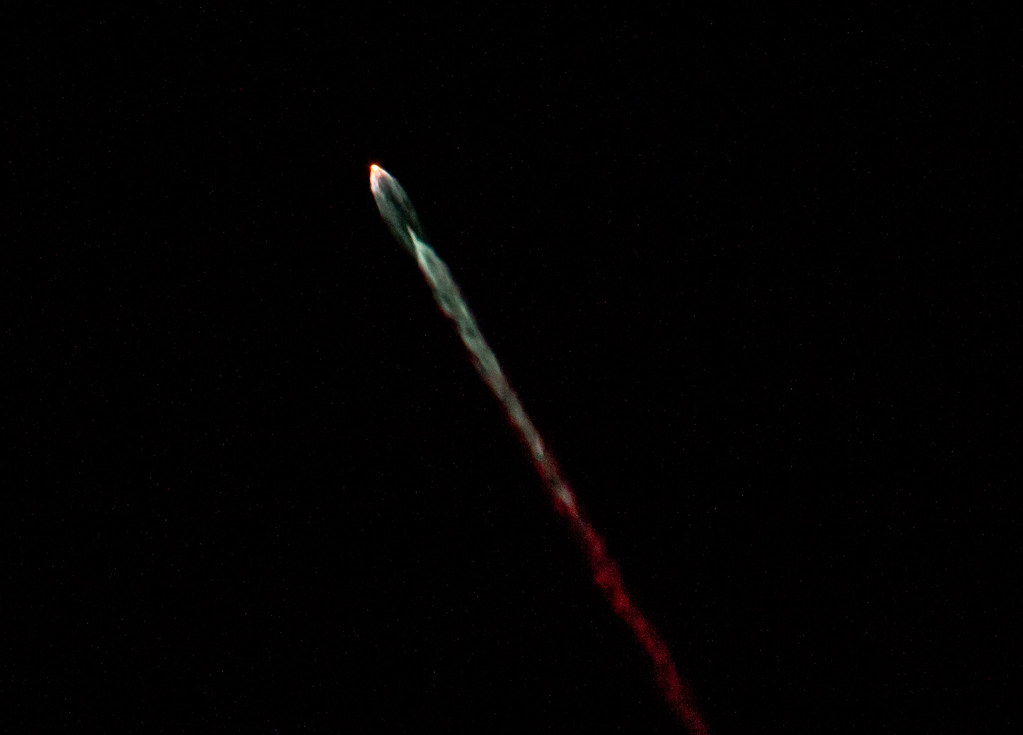
SpaceX Falcon 9 launch has successfully taken place, delivering the USSF-385 mission from Vandenberg Space Force Base. This marks another milestone for SpaceX in its ongoing contributions to space exploration.
Overview of the USSF-385 Mission
The recent SpaceX Falcon 9 launch marked a significant milestone for the United States Space Force, specifically with the USSF-385 mission. This mission, launched from Vandenberg Space Force Base, aims to enhance the capabilities of the USSF in satellite operations and defense strategies.
During the launch, the Falcon 9 rocket successfully deployed its payload into orbit, showcasing SpaceX’s reliability and technological advancements. The USSF-385 satellite is designed to improve communication and surveillance for military operations, contributing to national security.
Key objectives of the USSF-385 mission include:
- Enhancing real-time data collection and analysis capabilities.
- Improving coordination among military assets in space.
- Strengthening the United States’ position in space defense.
This successful launch reaffirms SpaceX’s role as a leader in the aerospace industry and its commitment to supporting US military operations.
Significance of Falcon 9 Launch
The recent SpaceX Falcon 9 launch has marked a significant achievement for the United States Space Force, particularly with the successful deployment of the USSF-385 mission. This mission underscores the growing reliance on commercial space capabilities to enhance national security.
With its impressive track record, the Falcon 9 rocket has become a cornerstone for various military and scientific endeavors. The successful execution of this launch illustrates not only the reliability of the Falcon 9 but also the importance of public-private partnerships in advancing space operations.
The implications of this launch extend beyond immediate mission success, as it contributes to:
- Strengthening national security infrastructure
- Fostering innovation in satellite technology
- Enhancing global competitiveness in space exploration
As SpaceX continues to push the boundaries of space technology, the Falcon 9 remains a vital asset for the future of space missions.
SpaceX’s Role in Space Exploration
SpaceX’s innovative approach to space exploration has solidified its status as a leader in the aerospace industry. With the successful Falcon 9 launch for the USSF-385 mission, SpaceX has demonstrated its commitment to delivering reliable access to space. This mission, executed from Vandenberg Space Force Base, highlights the company’s ability to support national security initiatives through advanced technology.
SpaceX’s Falcon 9 is known for its reusability, which not only reduces costs but also contributes to a more sustainable model of space travel. Since its inception, the Falcon 9 has completed numerous missions, further refining its capabilities and proving its reliability.
As the demand for satellite launches grows, SpaceX continues to play a pivotal role in shaping the future of space exploration. The success of the USSF-385 mission reaffirms the importance of partnerships between private companies and governmental organizations in achieving ambitious space objectives.
Details of the Launch from Vandenberg
The recent SpaceX Falcon 9 launch from Vandenberg Space Force Base marked a significant milestone for the USSF-385 mission. This successful launch took place on schedule, demonstrating the reliability of the Falcon 9 rocket in supporting military space operations.
The mission was crucial for enhancing the United States Space Force’s capabilities and included the deployment of advanced payloads. Key details of the launch included:
- Launch Time: The Falcon 9 lifted off at 10:00 AM PST, providing favorable conditions for the mission.
- Payload: The mission involved multiple satellites designed for reconnaissance and communication.
- Launch Duration: The entire launch sequence lasted approximately 50 minutes, concluding with successful payload deployment into orbit.
This SpaceX Falcon 9 launch not only showcases the technological advancements in rocketry but also reinforces the United States’ commitment to maintaining its strategic advantage in space.
Challenges Faced During the Mission
During the recent SpaceX Falcon 9 launch for the USSF-385 mission, the team encountered several challenges that tested their expertise and resilience. One of the primary issues was the unpredictable weather conditions at Vandenberg Space Force Base, which caused delays in the countdown procedure.
Additionally, the launch vehicle had to undergo last-minute checks due to a minor technical anomaly detected during pre-launch assessments. This necessitated a thorough review of the Falcon 9’s systems to ensure optimal performance.
Despite these setbacks, SpaceX engineers worked diligently to resolve issues, demonstrating their commitment to safety and mission success. The ability to adapt quickly under pressure is a hallmark of SpaceX’s operations and was evident throughout the launch process.
Ultimately, the successful Falcon 9 launch underscored the robustness of SpaceX’s technology and the importance of thorough preparation in overcoming potential obstacles.
Future Missions Planned by SpaceX
As SpaceX continues to solidify its position in the aerospace industry, future missions are already on the horizon. Following the successful Falcon 9 launch for the USSF-385 mission, the company is set to embark on several ambitious projects that will further enhance its capabilities and contributions to space exploration.
Upcoming missions include:
- Commercial Resupply Missions: SpaceX plans to continue its crucial work with NASA, providing resupply missions to the International Space Station.
- Starlink Launches: The deployment of additional Starlink satellites aims to expand global internet coverage.
- Crewed Missions: Future crewed missions are planned, reflecting SpaceX’s ongoing partnership with NASA and private entities.
- Interplanetary Missions: SpaceX is also eyeing missions to the Moon and Mars, utilizing advancements made through the Falcon 9 program.
Each mission underscores SpaceX’s commitment to pushing the boundaries of space technology.
Technological Innovations in Falcon 9
The SpaceX Falcon 9 launch has showcased several technological innovations that enhance its performance and reliability. Among these advancements, the following stand out:
- Reusable Booster Technology: The Falcon 9’s first stage booster can land back on Earth, allowing for multiple flights and reducing costs significantly.
- Advanced Payload Capacity: The rocket can transport heavier payloads to various orbits, making it an ideal choice for both commercial and military missions.
- Innovative Launch Systems: Enhanced avionics and telemetry systems ensure precise navigation and performance monitoring during the launch.
- Rapid Turnaround Times: SpaceX has streamlined the launch process, enabling quicker preparation for subsequent missions.
These innovations not only affirm the reliability of the Falcon 9 for the USSF-385 mission but also position SpaceX as a leader in the aerospace sector, paving the way for future endeavors in space exploration.
Conclusion and Impact on the Space Industry
The recent SpaceX Falcon 9 launch for the USSF-385 mission marks a significant achievement in both military and commercial space endeavors. This successful launch not only demonstrates SpaceX’s reliability but also reinforces the growing collaboration between government and private sectors in space exploration.
The implications of this mission extend beyond immediate results. It showcases advancements in launch technology and operational efficiency that could pave the way for future missions. As SpaceX continues to innovate, the space industry can expect enhanced capabilities that will support a variety of applications, from satellite deployment to interplanetary exploration.
Moreover, the success of the Falcon 9 launch reinforces the United States’ commitment to maintaining a leading role in space activities. This mission sets a precedent for future launches, and as the demand for satellite services grows, SpaceX is poised to play a pivotal role in shaping the next era of space exploration.
- Collaboration between sectors
- Advancements in technology
- Future mission potential
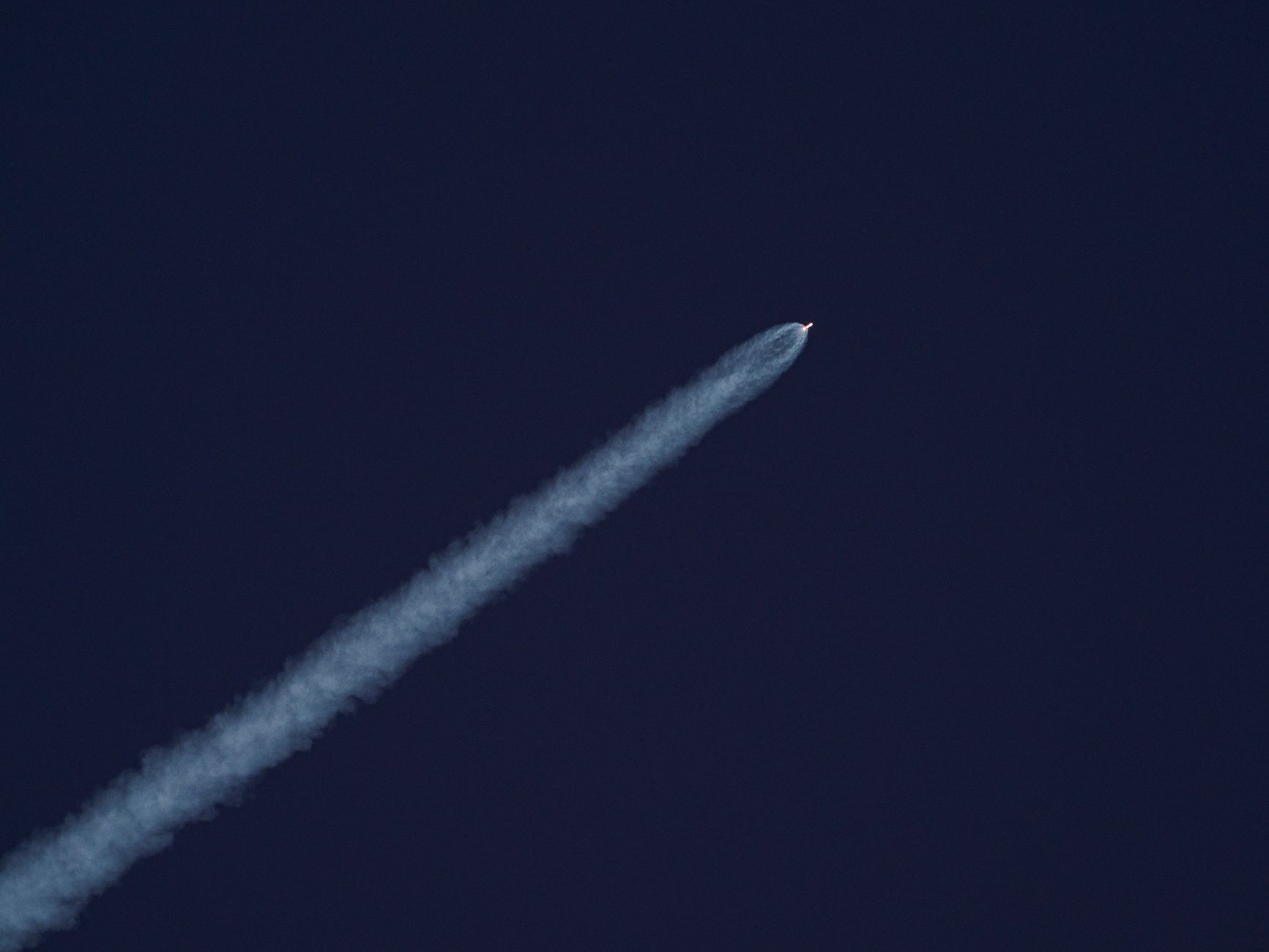
The recent SpaceX Falcon 9 launch has once again demonstrated the reliability and efficiency of reusable rocket technology. With the successful deployment of the USSF-385 mission, the SpaceX Falcon 9 launch continues to solidify its place in modern aerospace achievements.
By Kevin M. Gill via Openverse



Leave a Reply